




What is Percutaneous Stereotactic Radiofrequency Rhizotomy (PSR) in India?
Percutaneous Stereotactic Radiofrequency Rhizotomy (PSR) is a minimally invasive neurosurgical procedure primarily used to treat severe facial pain associated with trigeminal neuralgia and certain other nerve pain disorders. The procedure utilizes radiofrequency energy to selectively target and disrupt pain-transmitting nerve fibers, thereby reducing abnormal pain signals while preserving as much normal nerve function as possible. In India, PSR is performed at advanced neurology and neurosurgery centers by highly experienced neurosurgeons using stereotactic guidance, fluoroscopic imaging, and specialized radiofrequency equipment. The treatment offers effective pain control with minimal surgical trauma and a relatively short recovery period.
Symptoms of Trigeminal Neuralgia in Patients Seeking PSR in India
Patients who may benefit from Percutaneous Stereotactic Radiofrequency Rhizotomy often experience symptoms such as:
- Sudden episodes of severe facial pain
- Electric shock-like sensations on one side of the face
- Pain triggered by speaking, chewing, eating, or brushing teeth
- Recurrent attacks of facial discomfort lasting seconds or minutes
- Pain affecting the cheek, jaw, lips, gums, or eye area
- Increased sensitivity to touch on the face
- Difficulty performing daily activities due to pain
- Reduced quality of life caused by chronic facial pain
- Inadequate symptom control with medications
- Progressive worsening of trigeminal neuralgia symptoms
Patients are usually evaluated through neurological assessments, MRI scans, and other diagnostic investigations before determining their suitability for treatment.
How to Choose the Right Hospital for PSR in India?
When selecting a hospital for Percutaneous Stereotactic Radiofrequency Rhizotomy, consider the following factors:
- Expertise of neurosurgeons in facial pain management
- Accreditation and reputation of the healthcare facility
- Availability of advanced stereotactic and imaging technologies
- Experience in minimally invasive neurosurgical procedures
- Modern operating rooms and recovery facilities
- Dedicated neurology and neuroscience departments
- Strong patient safety and infection control standards
- Comprehensive pain management services
- Transparent treatment pricing and package options
- Dedicated support services for international patients
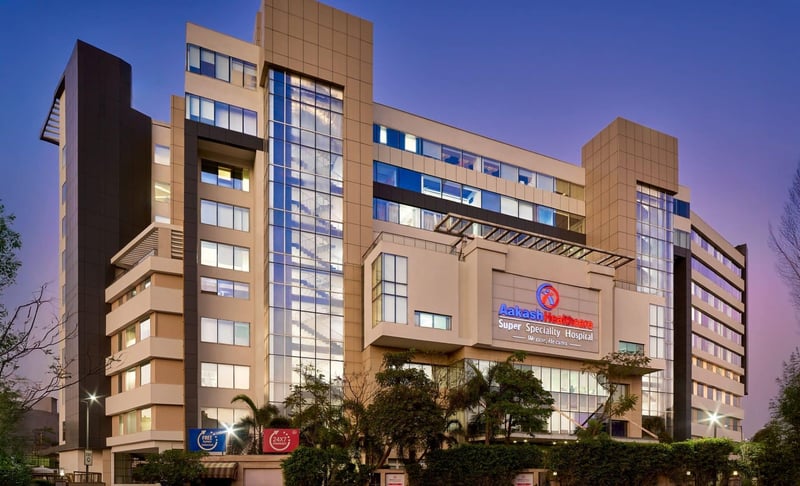
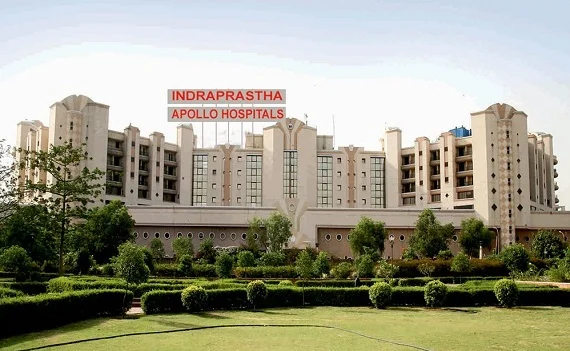
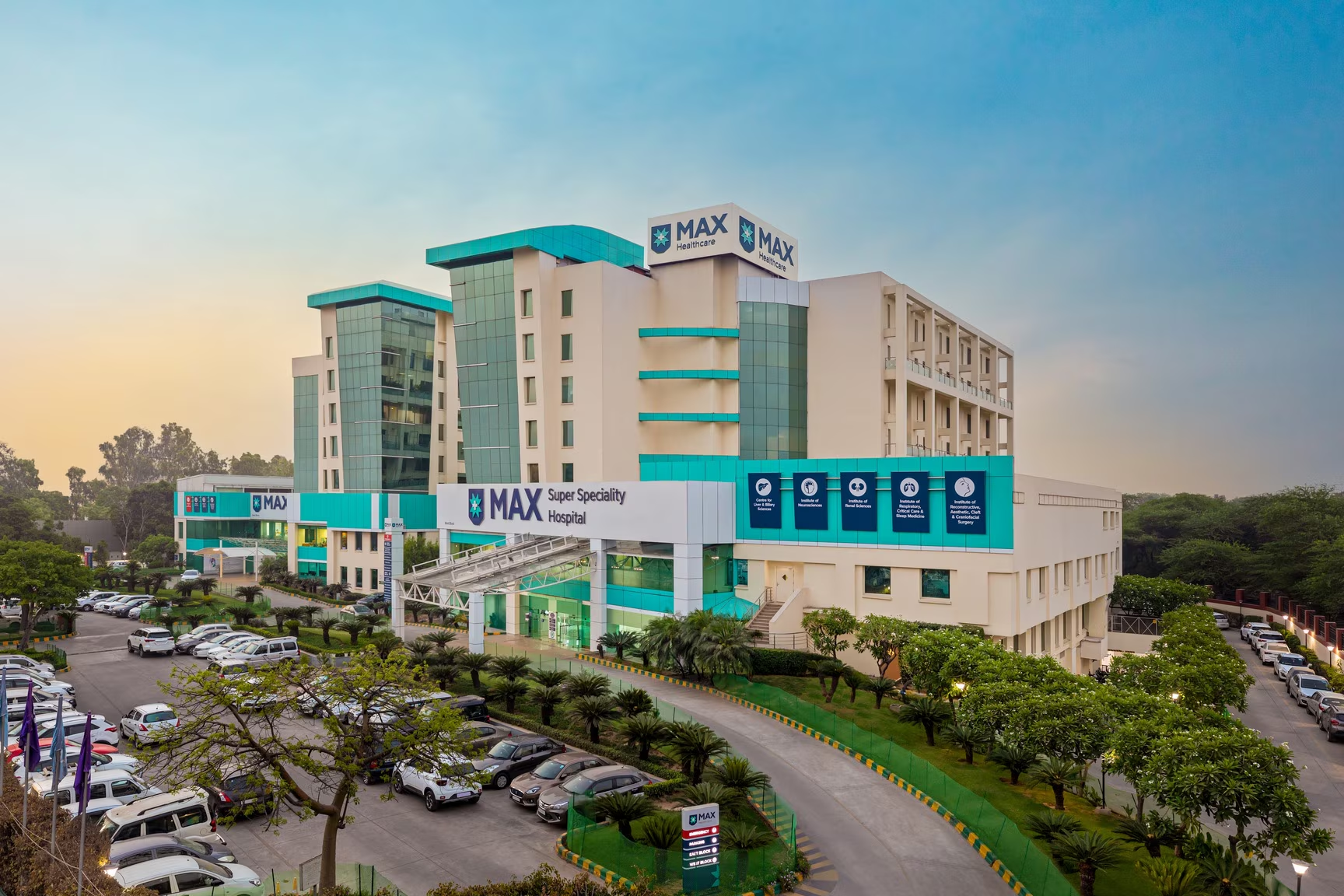
What Are the Best Hospitals for PSR in India?
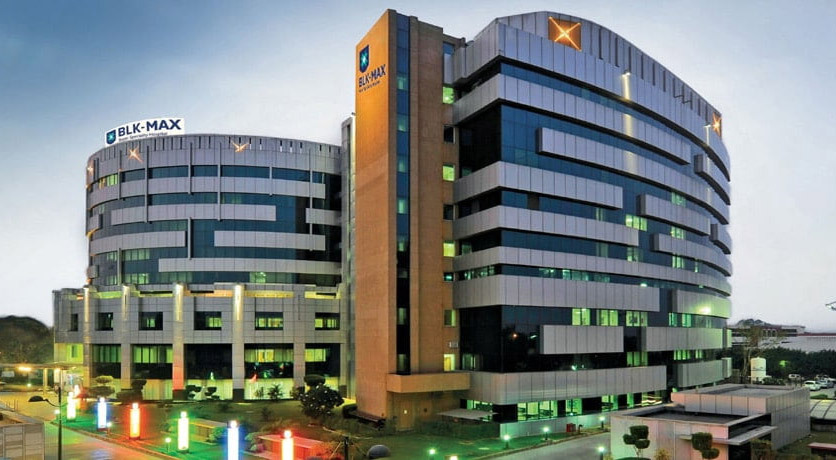
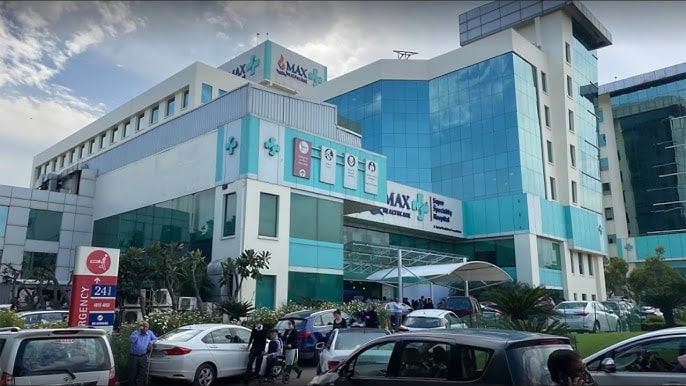
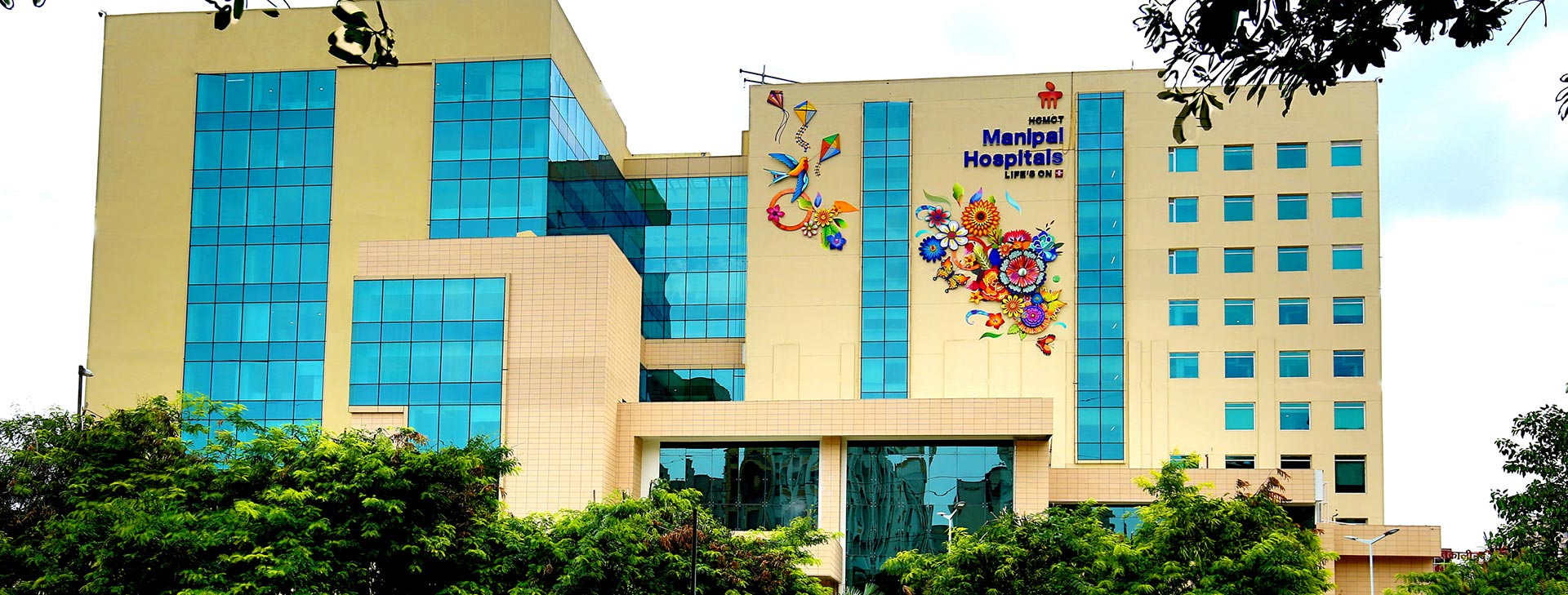
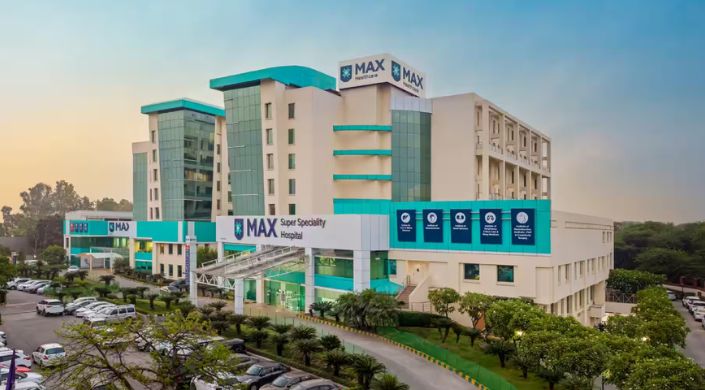
Some of the leading hospitals in India offering advanced neurosurgical pain treatments include:
How is Percutaneous Stereotactic Radiofrequency Rhizotomy Performed in India?
PSR is performed by specialized neurosurgical teams using image-guided precision techniques. The procedure generally includes:
- Administration of local anesthesia with sedation or general anesthesia when required
- Insertion of a specialized needle through the cheek toward the trigeminal nerve
- Precise positioning using fluoroscopic or stereotactic imaging guidance
- Electrical stimulation testing to confirm accurate nerve targeting
- Delivery of controlled radiofrequency energy to selected nerve fibers
- Reduction of pain-transmitting nerve activity
- Removal of the needle after treatment completion
- Post-procedure observation and recovery monitoring
The procedure typically takes between 30 minutes and 1.5 hours depending on the complexity of the case.
Benefits of Percutaneous Stereotactic Radiofrequency Rhizotomy in India
PSR offers several important benefits, including:
- Effective relief from trigeminal neuralgia pain
- Minimally invasive treatment approach
- No large surgical incisions
- Short hospital stay
- Rapid improvement in symptoms
- Reduced dependence on long-term pain medications
- Lower surgical risk compared to open neurosurgical procedures
- Faster recovery and return to daily activities
- Access to advanced neurosurgical technologies
Factors Affecting the Success Rate of PSR in India
The success of Percutaneous Stereotactic Radiofrequency Rhizotomy depends on several important factors, including:
- Severity and duration of facial pain symptoms
- Accuracy of diagnosis and patient selection
- Experience of the neurosurgeon
- Precision of nerve targeting during the procedure
- Patient age and overall health condition
- Previous treatments received for trigeminal neuralgia
- Presence of underlying neurological disorders
- Post-treatment follow-up and monitoring
- Individual response to nerve modulation therapy
How Long Does It Take to Recover from PSR in India?
Recovery after PSR is generally rapid compared to traditional neurosurgical procedures. The typical recovery timeline includes:
- Same-day discharge or overnight hospital observation
- Return to light activities within a few days
- Immediate or gradual reduction in facial pain
- Temporary facial numbness in some patients
- Follow-up neurological assessments
- Ongoing monitoring for recurrence of symptoms
- Long-term pain control in appropriately selected patients
Recovery duration may vary according to the patient's condition and response to treatment.
Why Do International Patients Choose India for PSR?
India is a preferred destination for advanced facial pain treatment because of:
- Highly experienced neurosurgeons and pain specialists
- International-standard neuroscience centers
- Affordable treatment costs compared to many countries
- Advanced stereotactic and radiofrequency technologies
- Minimal waiting times for consultations and procedures
- Personalized treatment plans
- English-speaking healthcare professionals
- Comprehensive rehabilitation and support services
- Complete medical travel assistance
Recovery After Percutaneous Stereotactic Radiofrequency Rhizotomy
Recovery after PSR focuses on long-term pain relief, improved facial function, and enhanced quality of life. Many patients experience significant symptom reduction shortly after the procedure, allowing them to resume normal daily activities. Mild temporary numbness may occur in some cases and is typically monitored during follow-up visits. International patients are often advised to remain in India briefly for postoperative evaluations before returning home. Following medical recommendations and attending scheduled follow-up appointments are important for achieving the best long-term outcomes.
Why Choose Us for PSR in India?
- Dedicated assistance for international patients
- Collaboration with leading neurology and neurosurgery hospitals in India
- Complete medical travel and treatment coordination
- Personalized treatment and recovery planning
- Assistance with visa, accommodation, and transportation arrangements
- 24/7 patient support and communication services
- Trusted healthcare solutions for patients worldwide
Start Your Neurology Treatment Journey Today
If you are considering Percutaneous Stereotactic Radiofrequency Rhizotomy (PSR) in India, our experienced team is ready to guide you throughout every stage of your treatment journey. We provide access to advanced neurological care, renowned specialists, and individualized treatment plans focused on achieving lasting pain relief and improved quality of life.
Contact us today to receive a personalized treatment plan and estimated cost for Percutaneous Stereotactic Radiofrequency Rhizotomy (PSR) in India.