



What are Multiple Subpial Transections (MST) in India?
Multiple Subpial Transections (MST) is a specialized neurosurgical procedure used in the treatment of medically refractory epilepsy, particularly when seizure-producing brain regions are located within critical functional areas that cannot be safely removed. The procedure involves making a series of carefully planned microscopic incisions in the outer layers of the cerebral cortex to interrupt the spread of abnormal electrical activity while preserving essential neurological functions such as speech, movement, and sensation. In India, MST is performed at advanced epilepsy and neurosurgery centers by highly experienced neurosurgeons using sophisticated neurophysiological monitoring and brain-mapping technologies. The goal of the procedure is to reduce seizure frequency and improve quality of life while maintaining normal brain function.
Symptoms and Conditions in Patients Seeking Multiple Subpial Transections in India
Patients who may be considered for MST often experience symptoms and conditions such as:
- Recurrent seizures that are not controlled by medication
- Focal epilepsy arising from eloquent areas of the brain
- Frequent seizure episodes affecting daily activities
- Sudden loss of awareness or responsiveness
- Involuntary movements during seizures
- Speech disturbances associated with seizure activity
- Memory and cognitive difficulties related to epilepsy
- Behavioral or emotional challenges caused by recurrent seizures
- Neurological symptoms that significantly affect quality of life
- Epileptic conditions unsuitable for conventional resective surgery
Patients typically undergo extensive neurological evaluation, EEG monitoring, MRI imaging, functional brain mapping, and other specialized diagnostic studies before surgical planning.
How to Choose the Right Hospital for Multiple Subpial Transections in India?
When selecting a hospital for epilepsy surgery, consider the following factors:
- Expertise of neurosurgeons specializing in epilepsy surgery
- Availability of dedicated epilepsy treatment programs
- Accreditation and reputation of the healthcare facility
- Advanced EEG monitoring and neuroimaging technologies
- Comprehensive pre-surgical epilepsy evaluation services
- Intraoperative brain-mapping and neurophysiological monitoring capabilities
- Modern neurosurgical operating theaters
- Access to neurological rehabilitation and follow-up care
- Transparent treatment costs and package options
- Dedicated international patient support services
What Are the Best Hospitals for Multiple Subpial Transections in India?
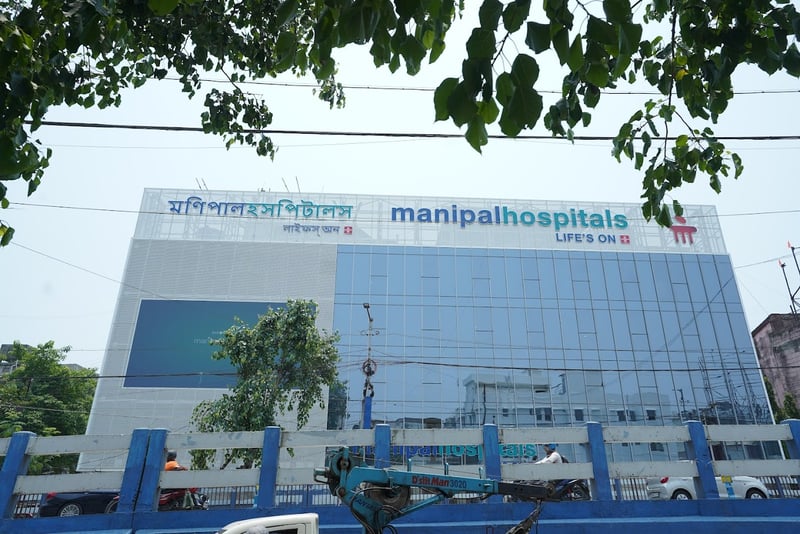
Some of the leading hospitals in India offering advanced epilepsy surgery include:
How are Multiple Subpial Transections Performed in India?
MST is performed by specialized neurosurgical and epilepsy teams in advanced surgical settings. The procedure generally includes:
- Administration of general anesthesia
- Detailed preoperative brain mapping and surgical planning
- Creation of a carefully planned cranial opening
- Identification of the seizure-generating brain region
- Performance of multiple microscopic transections within the cerebral cortex
- Preservation of critical functional brain areas
- Intraoperative monitoring of neurological function
- Closure of the surgical site and postoperative observation
The procedure may take between 3 and 6 hours depending on the complexity of the epilepsy focus and the areas involved.
Benefits of Multiple Subpial Transections in India
MST offers several important advantages, including:
- Reduction in seizure frequency and severity
- Preservation of essential brain functions
- Improved control of medically resistant epilepsy
- Enhanced quality of life
- Potential reduction in seizure-related injuries
- Better social and functional independence
- Access to advanced epilepsy treatment technologies
- Comprehensive multidisciplinary neurological care
- Long-term management and follow-up support
Factors Affecting the Success Rate of Multiple Subpial Transections in India
The effectiveness of MST depends on several important factors, including:
- Type and severity of epilepsy
- Location of the seizure focus within the brain
- Duration of epilepsy before surgery
- Accuracy of preoperative diagnostic evaluation
- Experience of the epilepsy surgery team
- Presence of associated neurological disorders
- Patient age and overall health condition
- Adherence to postoperative treatment recommendations
- Continued neurological follow-up and monitoring
How Long Does It Take to Recover from Multiple Subpial Transections in India?
Recovery after MST varies according to the patient's condition and surgical complexity. The typical recovery timeline includes:
- Hospital stay of approximately 4–7 days
- Neurological observation during the postoperative period
- Gradual return to normal activities under medical supervision
- Ongoing seizure monitoring and medication management
- Follow-up neurological assessments
- Rehabilitation services when required
- Recovery and evaluation of seizure control over several months
The overall recovery process depends on individual health factors and the extent of neurological involvement.
Why Do International Patients Choose India for Epilepsy Surgery?
India is a preferred destination for advanced epilepsy treatment because of:
- Highly experienced epilepsy surgeons and neurologists
- International-standard neuroscience centers
- Affordable treatment compared to many countries
- Advanced diagnostic and surgical technologies
- Comprehensive epilepsy evaluation programs
- Personalized treatment planning
- English-speaking healthcare professionals
- Integrated rehabilitation and follow-up services
- Complete medical travel support
Recovery After Multiple Subpial Transections
Recovery after MST focuses on controlling seizures, preserving neurological function, and improving overall quality of life. Patients are closely monitored by neurologists and epilepsy specialists to evaluate seizure outcomes and optimize medication management. Rehabilitation programs may be recommended depending on individual needs. International patients are often advised to remain in India for postoperative assessments before returning home. Regular follow-up visits and adherence to treatment recommendations are essential for achieving the best long-term outcomes.
Why Choose Us for Multiple Subpial Transections in India?
- Dedicated assistance for international patients
- Collaboration with leading epilepsy and neurosurgery hospitals in India
- Complete medical travel and treatment coordination
- Personalized treatment and recovery planning
- Support with visa, accommodation, and transportation arrangements
- 24/7 patient assistance and communication services
- Trusted healthcare support for patients worldwide
Start Your Epilepsy Treatment Journey Today
If you are considering Multiple Subpial Transections in India, our experienced team is ready to guide you through every stage of your treatment journey. We provide access to world-class epilepsy specialists, advanced neurosurgical care, and individualized treatment plans designed to achieve the best possible outcomes.
Contact us today to receive a personalized treatment plan and estimated cost for Multiple Subpial Transections (MST) in India.