
Who Can Get an Organ Transplant in India? Eligibility Rules Explained

Organ failure remains a growing global health challenge. Chronic kidney disease affects millions worldwide, and thousands of patients develop end-stage liver or heart failure every year. For many of them, transplant offers the only long-term survival option. In advanced kidney failure, a transplant can double life expectancy compared to long-term dialysis. In severe liver failure, survival without transplant can drop sharply within months.
Despite these numbers, a transplant is not suitable for every patient. Doctors must confirm medical fitness, donor eligibility, and legal approval before proceeding. In India, transplant programs operate under strict regulatory oversight, especially for foreign nationals. Understanding who qualifies for a transplant in India requires looking beyond disease severity. It requires careful review of the medical condition, the donor relationship, and compliance with national law.
What Does “Transplant Eligibility” Mean?
Transplant eligibility means a patient meets the medical, legal, and ethical criteria for organ transplantation in India. Doctors do not approve a transplant based only on organ failure. They evaluate whether the patient can safely undergo major surgery and maintain long-term recovery.
- Eligibility begins with medical necessity. The organ must have reached an advanced stage of failure where alternative treatments no longer provide a survival benefit. Dialysis dependency in kidney failure or advanced cirrhosis in liver disease often triggers evaluation.
- Legal eligibility forms the second layer. Under Indian law, especially for foreign nationals, transplant approval requires strict donor verification. A patient becomes eligible only when both medical fitness and legal documentation meet regulatory standards.
- Ethical eligibility also matters. The donor must agree voluntarily. Authorities must confirm the absence of financial exchange. Without ethical clearance, the transplant cannot proceed.
What General Health Criteria Must A Patient Meet?
Organ failure alone does not guarantee transplant approval. Doctors must confirm that the patient can safely tolerate major surgery and long-term immune suppression.
- Stable Heart and Lung Function: Transplant surgery places significant stress on the body. Doctors perform cardiac evaluation and pulmonary testing before approval. Severe, untreated heart disease or poor lung capacity may increase surgical risk beyond acceptable limits.
- Infection-Free Status: Patients must not have active infections at the time of transplant. Active tuberculosis, uncontrolled sepsis, or ongoing viral infection can delay or cancel surgery. Doctors treat infections first before reconsidering a transplant.
- Cancer-Free Requirement: Many transplant programs require patients to remain cancer-free for a defined period before approval. For a kidney transplant, doctors often require a cancer-free interval of two to five years, depending on cancer type and stage.
- Acceptable Body Mass Index (BMI): Excess body weight increases the risk of surgical complications, such as wound infections and delayed healing. Many centers require a BMI below 35. Patients above this range may need supervised weight reduction before listing.
- Controlled Chronic Conditions: Diabetes and hypertension must remain well controlled. Poorly managed chronic illness increases post-operative complication risk.
Doctors approve a transplant only when overall health supports safe surgery and recovery.
Which Conditions May Disqualify A Patient From Transplant?
Certain medical or behavioral factors can prevent transplant approval.
- Active Uncontrolled Infection: Doctors will not proceed with transplant if severe infection remains present. Immune suppression after transplant can worsen infection rapidly.
- Active or Untreated Cancer: A current cancer diagnosis often disqualifies a transplant until treatment is complete and remission is confirmed.
- Severe Multi-Organ Failure: When multiple vital organs fail simultaneously, transplant risk increases significantly. Doctors may determine that the surgical survival probability remains too low.
- Substance Abuse or Non-Compliance: Ongoing alcohol or drug abuse may lead to rejection. Transplant requires lifelong medication discipline and follow-up adherence.
- Inability to Provide Legal Documentation: For foreign nationals, failure to provide required donor proof or embassy certification can result in rejection, even if medical criteria are met.
Doctors evaluate disqualifying factors carefully. Some conditions may cause a temporary delay rather than a permanent rejection.
What Legal Requirements Must Foreign Patients Fulfill Under Indian Law?
Legal clearance forms one of the most critical steps in transplant eligibility. The Transplantation of Human Organs and Tissues Act (THOA) governs all transplant procedures in India.
Having a near relative donor does not guarantee approval. The patient must prove the biological relationship to the Authorization Committee.
- Form 21 – Embassy Certification: Foreign patients must obtain Form 21 from their Embassy in India. This certificate verifies the declared relationship between donor and recipient. Without embassy confirmation, approval cannot proceed.
- DNA and HLA Testing: High-accuracy DNA profiling or HLA testing must confirm biological compatibility. Authorities rely on these results to prevent fraud. Laboratory confirmation strengthens legal credibility.
- Visual Proof Of Relationship: Authorities require family photographs from at least three different life stages. These may include childhood, adolescence, and recent photographs. Visual evidence helps confirm a long-standing family relationship.
- Authorization Committee Interview: Both donor and recipient appear before the Authorization Committee. The donor undergoes separate questioning. The committee must confirm that the donation is voluntary and not coerced.
Does Donor Availability Affect Eligibility In India?
Donor availability directly determines transplant eligibility for foreign nationals. In India, transplant approval depends heavily on donor relationships and legal compliance.
Foreign nationals cannot purchase an organ in India. Indian law strictly prohibits the commercial trade in organs. Therefore, a foreign patient must bring a legally recognized living donor.
The “Near Relative” Rule
For a living donor transplant, the donor must qualify as a “Near Relative.”
- Eligible Near Relatives Include: Mother, Father, Son, Daughter, Brother, Sister, and Spouse.
- Sometimes Eligible With Extra Scrutiny: Grandparents or grandchildren may qualify, but authorities examine these cases carefully.
- Not Eligible: Cousins, uncles, aunts, friends, distant relatives, or volunteers cannot donate legally to a foreign national.
Without a near relative donor, transplant approval becomes extremely unlikely.
The Deceased Donor Reality
Foreign nationals can technically register for a deceased donor transplant. However, Indian law prioritizes Indian citizens for cadaver organ allocation. In practice, the chance of a foreign patient receiving a deceased donor organ remains very low.
For most foreign patients, a living donor transplant remains the only realistic pathway.
Donor availability, therefore, plays a central role in eligibility. Even medically fit patients cannot proceed without an approved donor.
Which Medical Conditions Qualify For Organ Transplant?
Doctors recommend an organ transplant when organ function declines to a point where survival without a transplant becomes limited.
- Kidney Transplant Eligibility: Patients with end-stage renal disease usually qualify. This stage often requires long-term dialysis. Symptoms may include severe fatigue, fluid overload, electrolyte imbalance, and poor urine output. When kidney function falls permanently below critical levels, a transplant becomes the preferred long-term treatment.
- Liver Transplant Eligibility: Advanced liver cirrhosis, liver failure, or certain early-stage liver cancers may qualify. Doctors evaluate liver function scores, a history of complications, and bleeding risk. Repeated ascites, internal bleeding, or encephalopathy often signal advanced disease requiring transplant evaluation.
- Heart Transplant Eligibility: Severe heart failure that does not respond to medication, device therapy, or surgery may qualify. Patients often experience breathlessness at rest and reduced exercise tolerance. Doctors assess cardiac output and organ perfusion before approval.
- Lung Transplant Eligibility: End-stage lung disease with persistent low oxygen levels may qualify. Chronic obstructive lung disease, pulmonary fibrosis, or certain genetic lung conditions may require a transplant when oxygen therapy no longer controls symptoms.
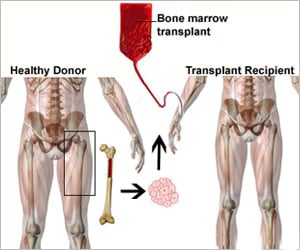
- Bone Marrow Transplant Eligibility: High-risk leukemia, lymphoma, multiple myeloma, or bone marrow failure disorders may require a transplant. Doctors evaluate the genetic risk profile and the probability of relapse before making a recommendation.
How Do Doctors Assess Psychological And Social Readiness?
Transplant success depends on more than surgical skill. Doctors must confirm that both the recipient and the donor are emotionally prepared and socially supported.
- Understanding of Lifelong Commitment: Transplant requires lifelong medication and regular monitoring. Doctors assess whether the patient clearly understands this responsibility. Missed medication can lead to organ rejection.
- Medication Adherence History: Doctors review past treatment compliance. Patients who frequently skip medication or dialysis sessions may face a higher risk after transplant.
- Caregiver Support System: Most transplant centers require a dedicated caregiver during recovery. The caregiver assists with medication schedules, follow-up visits, and daily monitoring. Strong support improves recovery outcomes.
- Financial Stability For Long-Term Care: Patients must afford lifelong immunosuppressive medication and regular blood testing. Doctors assess whether the patient has realistic long-term planning.
Ethical Review (No Financial Exchange)
The Authorization Committee interviews the donor separately. The donor must confirm a voluntary donation based on “love and affection.” Any evidence of a financial transaction leads to immediate rejection. Sudden large deposits in the donor’s bank account may trigger an investigation. Indian law strictly prohibits organ sale.
How Long Does The Eligibility Evaluation Process Take In India?
Eligibility evaluation follows both medical and legal timelines. Foreign nationals should expect additional processing time.
- Medical Evaluation Phase: Initial testing and organ function assessment may take one to two weeks. Doctors complete cardiac evaluation, infection screening, and compatibility testing during this phase.
- Documentation and Legal Verification: Embassy certification, DNA testing, and document submission require additional time. Authorization Committee scheduling may take several days to weeks, depending on completeness.
- Authorization Committee Hearing: Both donor and recipient attend an official review meeting. The committee verifies documents and interviews both parties separately.
Delays often occur due to incomplete paperwork. Early preparation significantly reduces waiting time. Foreign patients should plan for several weeks of pre-transplant evaluation before scheduling surgery.
Takeaway
Transplant eligibility in India depends on more than medical need. Patients must meet strict health criteria, bring a legally recognized near relative donor, and complete detailed documentation under the Transplantation of Human Organs and Tissues Act. Authorization Committee approval, DNA verification, and ethical clearance remain mandatory for foreign nationals. Careful preparation, transparent documentation, and full medical evaluation significantly improve approval chances and support a safe transplant pathway in India.
Related Hospitals
Discover hospitals and medical centers related to this topic for quality healthcare services.

MGM Healthcare, Chennai
MGM Healthcare, Chennai, is a 400-bed quaternary-care super-specialty hospital accredited by JCI, NABH, and NABL. The hospital features 100 ICU beds, ...
Accreditations
Facilities
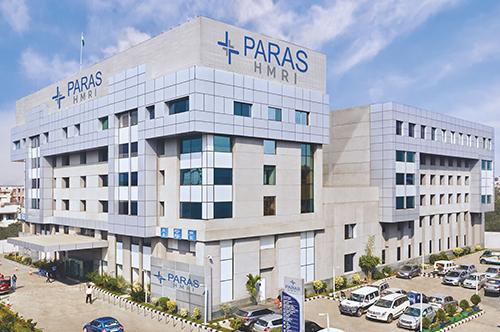
Paras Hospital, Gurgaon
Paras Hospital, Gurgaon, established in 2006, is a 300-bed NABH- and NABL-accredited tertiary care hospital offering over 36 super specialties. The ho...
Accreditations

Facilities

Medanta - The Medicity Hospital, Gurgaon
Medanta – The Medicity in Gurgaon is one of India's largest and most advanced multi-speciality hospitals, founded in 2009 by world-renowned cardiac su...
Accreditations


Facilities

BLK-Max Super Speciality Hospital, New Delhi
BLK-Max Super Speciality Hospital in New Delhi is one of India's premier healthcare institutions, offering 650 beds, 22 advanced operation theatres, a...
Accreditations


Facilities
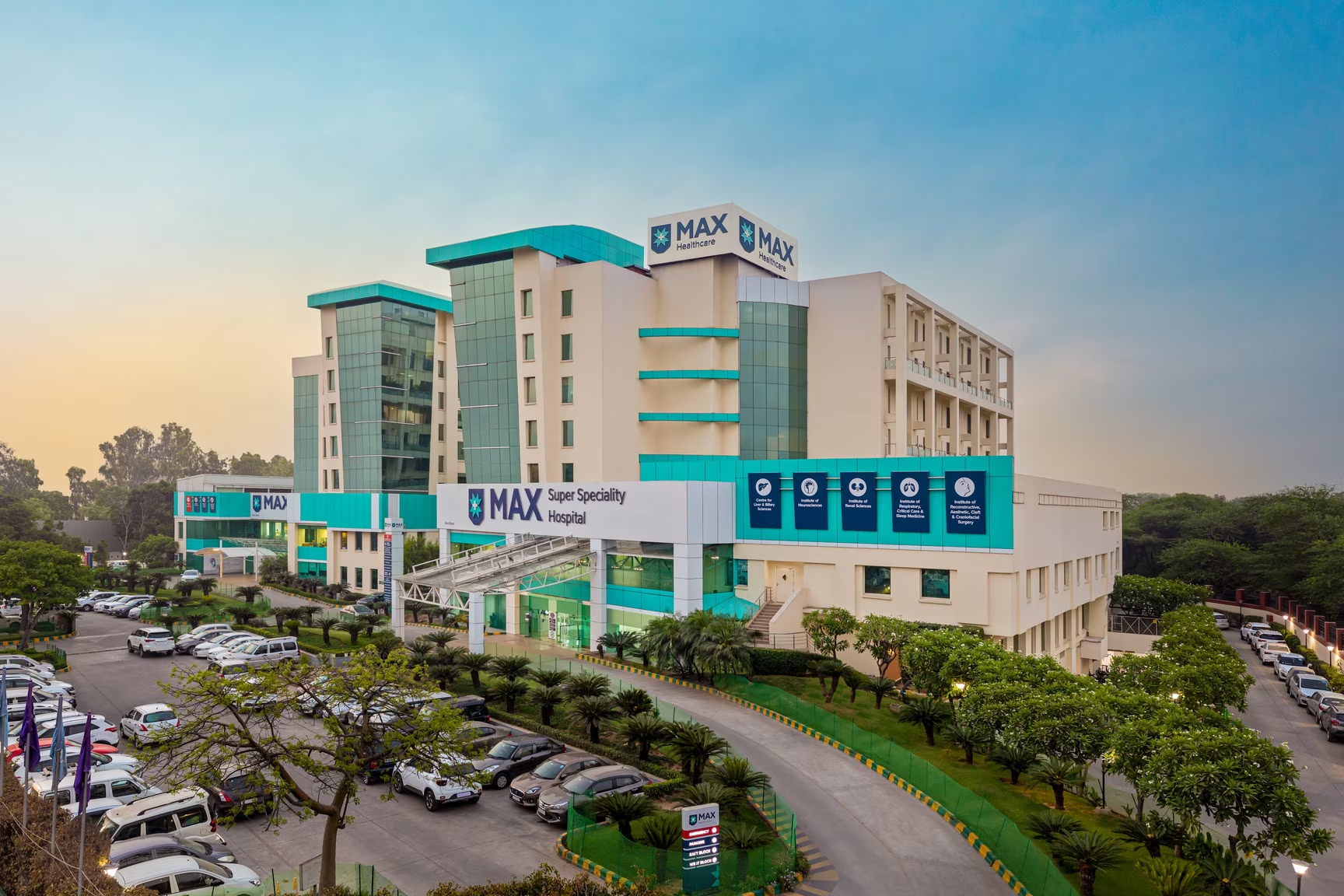
Max Super Speciality Hospital, Saket, Delhi
Max Super Speciality Hospital, Saket, New Delhi, is a leading JCI- and NABH-accredited hospital offering advanced medical care across 38+ specialities...
Accreditations



Facilities

Fortis Memorial Research Institute (FMRI), Gurgaon
Fortis Memorial Research Institute (FMRI), Gurgaon, is a world-class multi-specialty hospital established in 2013. The hospital offers 330 beds, 15 op...
Accreditations


Facilities
Related Doctors
Connect with experienced doctors and medical specialists in this field.

Dr. Shishir Shetty
Head of Department (HOD)

Dr. Mukul Rastogi
Director

Dr. Amit Rastogi
Chairman

Dr. Sushant Srivastava
Senior Consultant

Dr. Satyendra Katewa
Head of Department (HOD)

Prof. (Dr.) Subhash Gupta
Chairman
Related Articles
Explore more articles and insights on similar health topics.
Back Pain or Something More? When Does a Spine Tumor Require Surgery?

How Long Can You Live After an Organ Transplant?
Is Organ Transplant Safe for International Patients in India? Laws, Risks, and Success Rates Explained
Bone Marrow Transplant vs CAR-T Cell Therapy: Which Is Better for Blood Cancer?
Can You Survive Leukemia Without a Bone Marrow Transplant?
Is Bone Marrow Transplant Worth the Cost? A Financial and Medical Guide for International Patients in India

Author
View AllDr. Deepanshu Siwach is an experienced clinical pharmacist with a Doctor of Pharmacy degree. He has over 4 years of experience and has worked with thousands of patients. He has been associated with ... Read More
Our website uses cookies. By clicking on accept you give your consent to the use of cookies as per our Privacy Policy.
