
When Should You Consider Surgery for a Herniated Disc?
"I have a slipped disc. Do I need surgery?"
"Will it get better without an operation?"
"When should I worry?"
These questions come up in almost every spine consultation. A slipped disc (aka a herniated disc) can cause some of the most excruciating pain a person will ever experience. When shooting pain travels down your leg, making it impossible to stand, sit, or even sleep, it is entirely natural to assume you need an immediate operation.
But here is the good news: 80% to 90% of slipped discs heal without any surgical intervention. Most patients experience significant improvement with conservative treatments such as targeted physiotherapy, rest, and medication.
So, how do you know if you are in the 90% who need time to heal, or the 10% who genuinely require an operation? Understanding when a slipped disc crosses the line from a painful nuisance to a surgical necessity is the key to making confident medical decisions without fear. Here is a clear, medical guide to help you identify the "red flags" and know exactly when surgery is the right next step.
What Is A Herniated Disc And Why Does It Cause Pain?
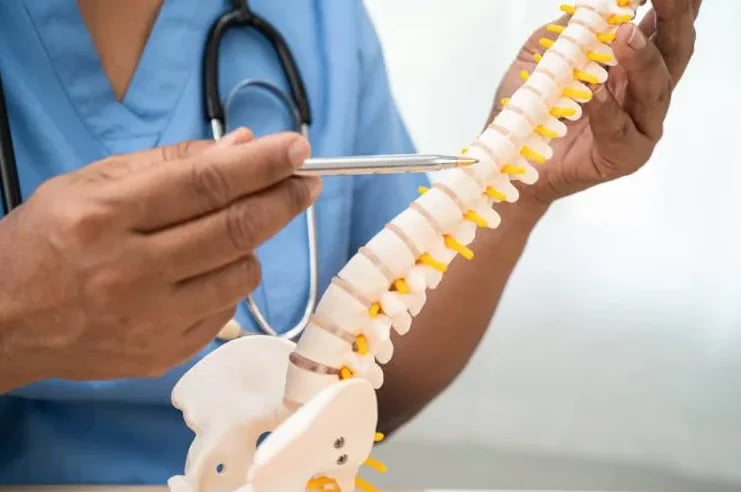
A herniated disc occurs when the soft inner part of a spinal disc protrudes. This disc sits between the vertebrae and acts as a cushion. When the disc bulges or ruptures, it can press on nearby nerves. This pressure causes pain.
Pain may stay in the lower back or travel down the leg. It is often called sciatica. Some patients also feel tingling, numbness, or weakness. The severity of slipped disc symptoms depends on the degree of nerve compression.
A small bulge may cause mild discomfort. A larger herniation can cause severe pain and difficulty in movement. Pain usually increases with sitting, bending, or lifting. It may improve with rest in the early stages.
Can A Slipped Disc Be Treated Without Surgery?
Yes, most slipped disc cases improve without surgery. Doctors usually start with conservative treatment. It includes medicines, rest, and physiotherapy. The goal is to lower the pain and allow the disc to heal naturally.
- Medicines Help Control Pain: Painkillers and anti-inflammatory drugs reduce swelling around the nerve. It gives relief and improves movement.
- Physiotherapy Improves Strength: Exercises help strengthen back muscles. Strong muscles support the spine and reduce pressure on the disc.
- Activity Modification Matters: Patients need to avoid heavy lifting and sudden movements. Simple changes in daily routine can reduce strain on the spine.
- Time Plays an Important Role: Many patients feel better within a few weeks. The body can gradually heal the disc.
Doctors usually continue non-surgical treatment for 4 to 6 weeks. If symptoms improve, surgery is not needed.
When Do Doctors Recommend Surgery for a Herniated Disc?
Doctors recommend surgery only when conservative treatment does not work.
- Severe Pain That Does Not Improve: If pain continues despite weeks of treatment, surgery may be considered. Constant pain can affect sleep and daily life.
- Persistent Nerve Compression: When the disc continues to press on the nerve, symptoms may not improve. Surgery helps relieve this pressure.
- Limited Daily Function: If a patient cannot walk, sit, or perform work-related tasks properly due to pain, surgery may be necessary.
- Failure of Non-Surgical Treatment: If medicines, physiotherapy, and rest do not provide relief after 6 to 8 weeks, doctors may suggest surgery.
Doctors do not rush into surgery. They recommend it only when the benefits clearly outweigh the risks.
What Are The Warning Signs That Surgery May Be Needed?
Some symptoms need urgent attention. These signs may mean that the nerve is under serious pressure.
- Severe Weakness In The Leg: If the patient cannot lift the foot or feels sudden weakness, it may indicate nerve damage. This needs early treatment.
- Loss of Bladder and Bowel Control: Trouble in controlling urine or stool is a serious sign. It may indicate cauda equina syndrome. This requires immediate surgery.
- Increasing Numbness: Numbness that spreads or worsens over time should not be ignored. It may suggest worsening nerve compression.
- Unbearable Pain: Pain that does not respond to medication or rest may require surgical relief.
These warning signs should not be delayed. Early treatment improves recovery and prevents permanent damage.
What Types Of Surgery Are Done for Herniated Discs?
Doctors choose the type of surgery based on the condition and severity.
- Microdiscectomy: The most common surgery for a slipped disc. Surgeons remove the part of the disc that presses on the nerve. It uses small incisions and offers faster recovery.
- Discectomy: In this procedure, surgeons remove a larger portion of the disc if needed. It helps relieve pressure on the nerve.
- Endoscopic Spine Surgery: A minimally invasive technique. Surgeons use a small camera to remove the disc material. It causes less tissue damage and quicker recovery.
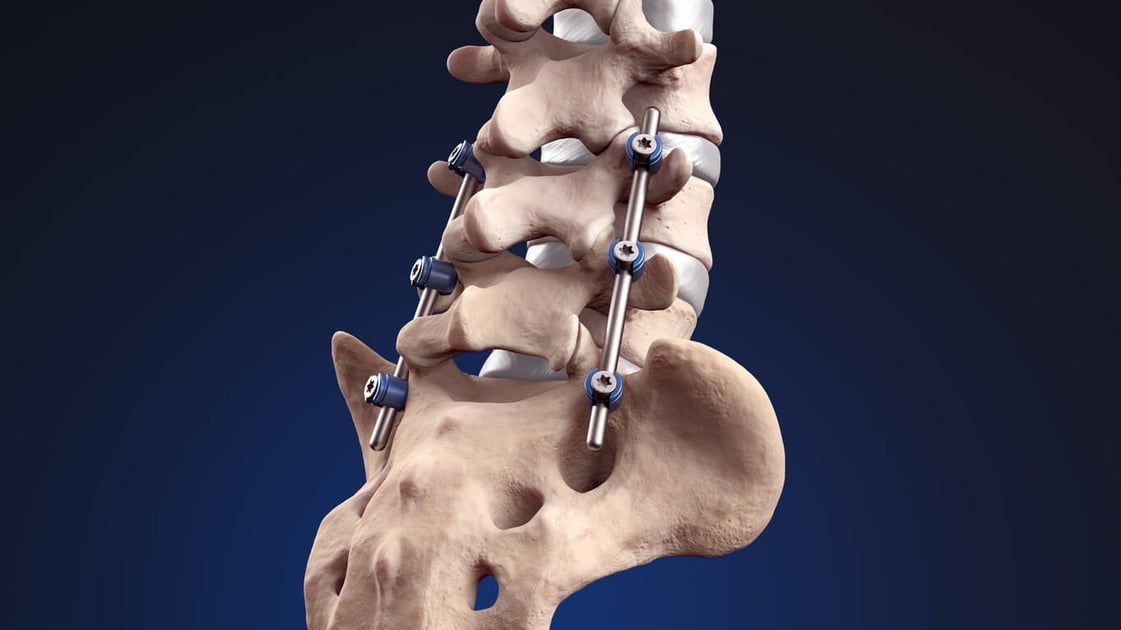
- Spinal Fusion (Rare Cases): Doctors use this only when there is spine instability. It helps stabilize the affected segment.
Most slipped disc surgeries focus on relieving pressure on the nerves. The aim is to reduce pain and improve movement.
How Successful Is Slip Disc Surgery?
Slip disc operation has a high success rate in most patients. For procedures such as microdiscectomy, success rates usually range from 85% to 95%. Most patients feel significant relief from leg pain after surgery.
Pain caused by nerve compression often improves quickly. Some patients notice relief within a few days. However, success does not mean the complete removal of all symptoms. Mild back discomfort may remain in some cases. The main goal is to reduce nerve pain and improve daily function.
The outcome also depends on a few factors. Early treatment, accurate diagnosis, and appropriate rehabilitation improve outcomes. Patients who follow medical advice usually recover better.
Overall, slipped disc surgery is considered safe and effective when done at the right time.
What Happens If Herniated Disc Is Not Treated On Time?
Delaying treatment can worsen symptoms in some patients. In the early stage, pain may come and go. However, continued nerve pressure can worsen over time.
- Chronic Pain: Pain may persist and become difficult to manage.
- Nerve Damage: Prolonged compression can cause nerve damage. It may lead to weakness or loss of sensation.
- Reduced Mobility: Patients may have difficulty walking, sitting, or performing daily activities.
- Permanent Deficits (Rare Cases): In severe cases, delayed treatment can lead to permanent weakness or loss of function.
Not every slipped disc gets worse. Many improve with time. However, ignoring severe symptoms can lead to complications.
What Is The Recovery Timeline After Slip Disc Surgery?
Recovery after slipped disc surgery is usually quicker than after many other spine procedures. Most patients start walking within 24 hours after surgery. Early movement helps improve blood flow and reduce stiffness.
- First Few Weeks: Patients gradually return to daily activities. Pain reduces steadily. Doctors may advise light exercises.
- 4 To 6 Weeks: Many patients resume routine work, depending on the nature of their job. Sitting and walking become more comfortable.
- Full Recovery: Complete recovery may take a few weeks to a few months. It depends on the patient's health and the type of surgery.
Physiotherapy plays an important role during recovery. It helps strengthen back muscles and prevents future problems.
Patients should avoid heavy lifting and sudden movements during early recovery. Following medical advice helps ensure better results.
Conclusion
The vast majority of slipped disc cases improve with time and conservative care. However, if your pain persists, treatments fail, or nerve symptoms worsen, surgery becomes a highly effective necessity. When performed at the right time, modern minimally invasive spine surgery offers exceptional success rates and a rapid return to a normal, active life.
Living with severe back and leg pain is exhausting, and guessing whether you need surgery only adds to your stress. You shouldn't have to travel abroad to find out if you need an operation.
At Qonaq Health, we help international patients skip the guesswork. We coordinate remote medical reviews with India's leading spine surgeons to give you a definitive, honest answer before you ever board a plane.
Do you have a recent Lumbar MRI report? Click here to upload your scans, and our patient care coordination team will provide you with a free, expert clinical evaluation to determine if conservative care or minimally invasive surgery is your safest path forward.
Related Hospitals
Discover hospitals and medical centers related to this topic for quality healthcare services.
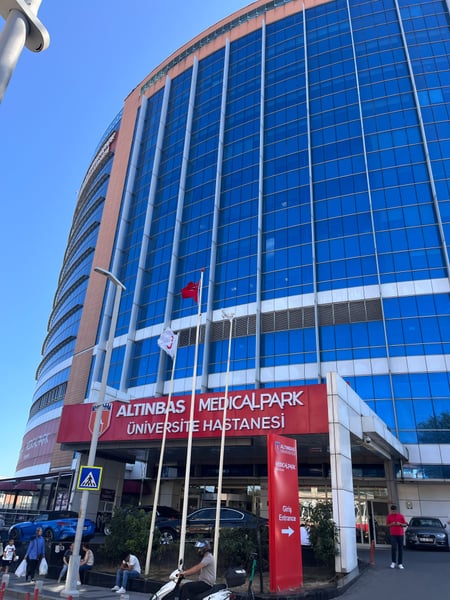
Medical Park Bahcelievler Hospital
Medical Park Bahcelievler Hospital is a 242-bed JCI-accredited hospital in Istanbul, established in 2007. Spread across 33,000 square meters and 19 fl...
Accreditations

Facilities

BLK-Max Super Speciality Hospital, New Delhi
BLK-Max Super Speciality Hospital in New Delhi is one of India's premier healthcare institutions, offering 650 beds, 22 advanced operation theatres, a...
Accreditations


Facilities

Fortis Memorial Research Institute (FMRI), Gurgaon
Fortis Memorial Research Institute (FMRI), Gurgaon, is a world-class multi-specialty hospital established in 2013. The hospital offers 330 beds, 15 op...
Accreditations


Facilities

Artemis Hospital, Gurgaon
Artemis Hospital, Gurgaon, is a JCI accredited multispecialty hospital that was established in 2007. It offers 750+ beds and world -class infrastructu...
Accreditations



Facilities

Kokilaben Dhirubhai Ambani Hospital, Mumbai
Kokilaben Dhirubhai Ambani Hospital, Mumbai, is a JCI, NABH, NABL, and CAP-accredited quaternary care hospital established in 2009. With 750 beds, 180...
Accreditations


Facilities

Medicover Hospitals, Hitech City, Hyderabad
Medicover Hospitals, Hitech City, Hyderabad, is a 400-bed NABH-accredited super-specialty hospital established in 2011. It is part of Medicover, a glo...
Accreditations


Facilities
Related Doctors
Connect with experienced doctors and medical specialists in this field.

Dr. Girish Menon
Head of Department (HOD)

Dr. Deshpande V Rajakumar
Director

Dr. Ashok Kumar Singhal
Senior Consultant

Dr. Agnivesh Tikoo
Senior Consultant

Dr Shekhar G Patil
Senior Consultant

Dr. Nirmala S
Senior Consultant
Related Articles
Explore more articles and insights on similar health topics.
Is It Dangerous to Delay Spine Surgery?

Latest Innovations in Brain and Spine Surgery
What is the True Success Rate of Spine Surgery?
Is Spine Surgery Abroad Safe?

How to Prepare for Organ Transplant Abroad: Medical, Legal, and Travel Checklist

Best Countries for Organ Transplant: A 2026 Guide to Cost, Waiting Times, and Legal Requirements

Our website uses cookies. By clicking on accept you give your consent to the use of cookies as per our Privacy Policy.
