What Should International Patients Look for in a Hospital?

4/4/2026, 1:58:44 PM 8 min read Medical Tourism
What Should International Patients Look for in a Hospital?
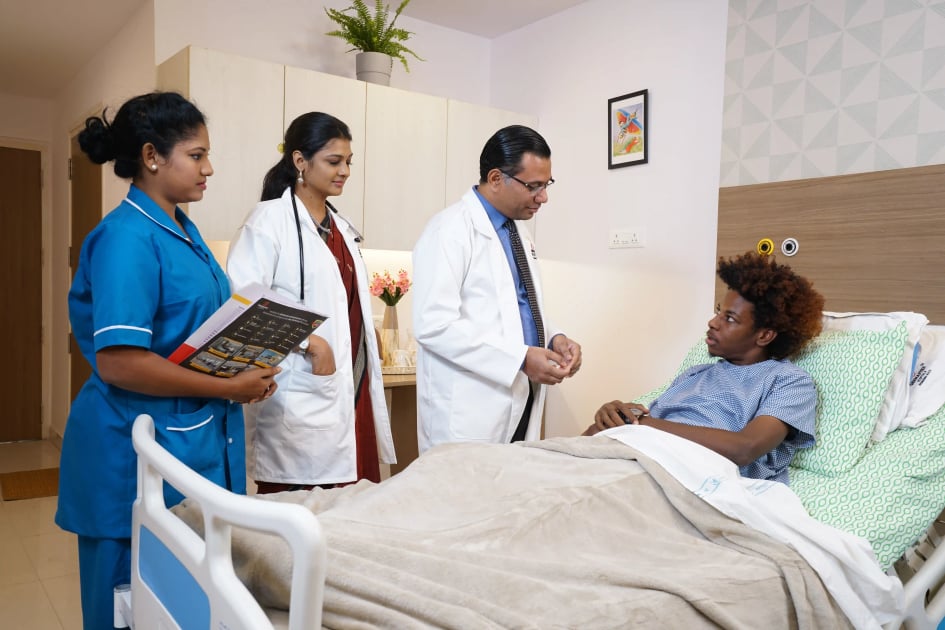
Planning medical treatment in another country brings more questions than answers. Patients often think beyond the procedure itself. They worry about communication, safety, travel, and what happens after they return home.


Not every hospital is prepared to handle these concerns. A facility may offer good medical care, but that alone does not make it suitable for international patients.


An international-patient-friendly hospital focuses on the entire journey, not just the treatment. It supports patients before arrival, during hospitalization, and after discharge. Clear communication, organized coordination, and reliable support make a significant difference.


Understanding what to look for helps patients choose a hospital that offers both medical quality and practical comfort.


Why Do International Patients Need Specialized Hospital Support?

Traveling for treatment adds layers of complexity that local patients do not face. Without proper support, even simple steps can become stressful.


  • Managing Travel and Medical Care Together: Patients need to plan flights, accommodations, and hospital visits simultaneously. Coordinating these elements without guidance can feel overwhelming.
  • Understanding Medical Information Clearly: Different healthcare systems follow different processes. Patients may find it difficult to understand diagnosis, treatment plans, or consent forms without proper explanation.
  • Limited Local Support System: International patients often travel without extended family or local contacts. They rely heavily on the hospital for guidance and assistance.
  • Time-Sensitive Treatment Planning: Delays in communication or scheduling can affect treatment timelines. Efficient coordination helps avoid unnecessary waiting.
  • Emotional and Physical Stress: Being in a new country while dealing with a medical condition adds pressure. Structured support helps reduce anxiety and improve overall experience.

Specialized hospital support ensures that patients focus on their recovery rather than on logistics.


What Services Should an International-Patient-Friendly Hospital Provide?

An international patient-friendly hospital supports more than just medical treatment. It manages the entire journey in a structured, predictable way.


  • Dedicated International Patient Team: Hospitals usually assign a team that handles international cases. It serves as the primary point of contact for coordination and support.
  • Pre-Arrival Case Review: Doctors review reports before the patient travels. It helps confirm the diagnosis and plan treatment in advance.
  • Clear Treatment Plan and Timeline: Patients receive a step-by-step plan and timeline. It includes tests, procedures, and the expected duration of stay. This reduces uncertainty.
  • Transparent Cost Estimates: Hospitals provide clear cost details before arrival. It helps patients plan finances and avoid unexpected expenses.
  • Appointment and Admission Coordination: All consultations, tests, and procedures are scheduled in advance. Smooth scheduling saves time and reduces stress.
  • On-Ground Assistance: Hospitals support patients during their stay. It may include help with admission, discharge, and daily coordination.

These services create a structured experience. Patients spend less time managing logistics and more time focusing on recovery.


How Important Is Language and Communication Support?

Clear communication is one of the most important parts of international care. Without it, even simple medical decisions can feel confusing.


  • Access to Translators or Language Coordinators: Hospitals often provide interpreters for different languages. It helps patients understand medical discussions clearly.
  • Simple Explanation of Medical Terms: Doctors and coordinators explain diagnosis and treatment in plain language. Patients can make decisions with confidence.
  • Clear Consent and Documentation: Understanding consent forms is essential before any procedure. Language support ensures patients know what they are agreeing to.
  • Continuous Communication During Treatment: Patients receive updates about progress, test results, and next steps. Regular communication builds trust.
  • Support for Family Members: Family members also need clear information. Good communication keeps everyone informed and reassured.

Strong communication reduces confusion and anxiety. It helps patients stay involved in their own care.


What Role Does Treatment Planning Before Arrival Play?

For international patients, treatment does not start at the hospital. It begins much earlier, often while still at home.

A well-organized hospital takes time to understand the case before the patient even travels. Medical reports, scans, and history are reviewed in advance. This early evaluation helps doctors decide what is needed and what can be avoided.


  • Clarity Before Travel: Patients know what to expect upon arrival. There is less uncertainty about diagnosis, procedures, and timelines.
  • Avoiding Unnecessary Delays: Tests and consultations are planned in advance. Patients do not have to wait days for basic steps after arrival.
  • Better Treatment Decisions: Doctors can prepare a more accurate plan when they review reports early. It leads to smoother care once treatment begins.
  • Confidence in the Process: When patients understand the plan beforehand, they feel more in control. Travel becomes less stressful and more purposeful.

Good planning before arrival makes a complex medical journey more predictable and manageable.


How Do Hospitals Support Travel, Visa, and Accommodation?

Travel for medical care involves more than booking a flight. Patients often need help with paperwork, local arrangements, and staying close to the hospital.


Hospitals that regularly treat international patients usually provide structured support for these steps.


  • Visa and Documentation Assistance: Many hospitals guide patients through the medical visa process. They provide invitation letters and the required documents to simplify approval processes.
  • Airport Pickup and Local Transport: Arriving in a new country can feel overwhelming. Pickup services and transport coordination make the transition smoother.
  • Accommodation Near the Hospital: Hospitals often help arrange nearby hotels or guest houses. Staying close reduces travel time and makes follow-up visits easier.
  • Support for Attendants or Family: Family members traveling with the patient also need arrangements. Hospitals often assist with stay options and basic guidance.
  • Flexible Planning Based on Treatment Duration: Length of stay may change depending on recovery. Good coordination allows adjustments without unnecessary stress.

When these logistics are handled well, patients can focus on treatment instead of managing travel details.


What Medical Facilities and Technology Should Be Available?

When patients travel abroad for treatment, they expect more than basic care. The hospital needs to be equipped to handle complex cases with confidence.


Advanced technology plays a big role, but it is not just about machines. It is about how effectively the entire system works together.


  • Modern Diagnostic and Imaging Systems: Accurate diagnosis depends on high-quality imaging and testing. Clear results help doctors plan treatment with precision.
  • Specialized Treatment Units: Different conditions require focused care. Dedicated units for areas like oncology, cardiology, or neurosurgery improve outcomes and coordination.
  • Multidisciplinary Approach: Complex cases often need input from multiple specialists. Surgeons, physicians, and support teams work together to create a complete treatment plan.
  • Critical Care and Emergency Support: Access to ICU and emergency services is essential. It ensures patient safety during and after major procedures.
  • Updated Surgical and Treatment Techniques: Hospitals that adhere to the latest medical practices achieve better safety and recovery outcomes. It includes minimally invasive approaches where appropriate.

Good facilities are not just about infrastructure. They reflect how prepared a hospital is to handle every stage of treatment safely.


How Do Hospitals Ensure Safety and Hygiene for International Patients?

Safety becomes even more important when patients are away from home. A clean and well-managed environment reduces risks and builds trust. Hospitals that treat international patients follow strict protocols to maintain high standards.


  • Infection Control Measures: Hospitals follow structured protocols to reduce the risk of infection. It includes sterilization, hygiene practices, and controlled environments.
  • Clean and Organized Patient Areas: Rooms, operating theatres, and common areas must be well maintained. Clean surroundings support recovery and comfort.
  • Standardized Safety Protocols: From admission to discharge, hospitals follow clear procedures. These protocols help prevent errors and ensure consistent care.
  • Hospital Accreditation and Standards: Do not rely solely on local licenses. Search for hospitals with prestigious international accreditations, such as JCI (Joint Commission International) or MTQUA (Medical Tourism Quality Alliance). These global certifications ensure the facility meets the highest, most stringent benchmarks for patient safety and clinical excellence.
  • Continuous Monitoring and Care: Regular checks during hospital stay help detect and manage any issues early. Ongoing attention improves overall safety.

For international patients, safety is not just about treatment. It is about trusting the entire environment where care takes place.


How Important Is Post-Treatment Support for International Patients?

Treatment does not end at discharge, especially for international patients. Once they return home, they still need guidance, reassurance, and sometimes medical follow-up.


Hospitals that truly support international patients stay involved even after the patient leaves.


  • Follow-Up After Returning Home: Doctors often schedule remote follow-ups to track recovery. These check-ins help address concerns early without requiring another trip.
  • Clear Recovery Instructions: Patients receive simple guidance on medication, activity, and precautions. Knowing what to do at home reduces confusion.
  • Access to Medical Advice: Questions can arise days or weeks after treatment. A responsive hospital team allows patients to reach out when needed.
  • Coordination with Local Doctors: In some cases, hospitals share treatment details with doctors in the patient's home country. It helps maintain continuity of care.
  • Support During Unexpected Issues: If complications or concerns arise, timely advice makes a difference. Patients feel more secure when support continues beyond discharge.

Post-treatment care builds trust. It ensures that recovery continues smoothly, even from a distance.


What Should Patients Check Before Choosing a Hospital Abroad?

Choosing the right hospital is one of the most important decisions in a medical journey. A little research at the beginning can prevent major challenges later.


  • Hospital Accreditation and Standards: Recognized certifications indicate that the hospital adheres to established quality and safety standards.
  • Experience of Doctors and Care Teams: The medical team's expertise plays a key role in outcomes. Experience in handling international cases adds an extra advantage.
  • Clarity in Treatment Plan and Costs: Hospitals should provide clear information about procedures, timelines, and expected costs. Transparency helps avoid confusion.
  • Availability of International Patient Services: A structured support system makes the entire process smoother. It shows that the hospital understands international needs.
  • Communication and Responsiveness: Quick and clear responses before travel reflect how the hospital will function during treatment.
  • Patient Reviews and Past Experiences: Feedback from other international patients provides real insight into the overall experience.

Making an informed choice reduces stress and improves confidence before starting treatment abroad.


Key Takeaway

Choosing a hospital in another country involves more than medical expertise. It requires coordination, communication, and ongoing support at every stage.


An international-patient-friendly hospital focuses on your journey from the moment you begin planning through the weeks following your return home. When a facility gets this right, you can spend less energy managing logistics and 100% of your energy on healing.


Finding a truly international-patient-friendly hospital doesn't have to be a solo journey. At Qonaq, we connect you with verified, globally accredited facilities and help manage the logistics so you can focus on your recovery. Contact our care team today to start planning a safe, stress-free medical journey.

Related Hospitals

Discover hospitals and medical centers related to this topic for quality healthcare services.

Medical Park Bahcelievler Hospital
PLATINUM
View Details

Medical Park Bahcelievler Hospital

Istanbul, Turkey

Medical Park Bahcelievler Hospital is a 242-bed JCI-accredited hospital in Istanbul, established in 2007. Spread across 33,000 square meters and 19 fl...

Multi-specialty
Established 2007
242 beds
Accreditations
Joint Commission International (JCI)
Facilities
+13
BLK-Max Super Speciality Hospital, New Delhi
PLATINUM
View Details

BLK-Max Super Speciality Hospital, New Delhi

New Delhi, India

BLK-Max Super Speciality Hospital in New Delhi is one of India's premier healthcare institutions, offering 650 beds, 22 advanced operation theatres, a...

Multi-specialty
Established 1959
650 beds
Accreditations
Joint Commission International (JCI)
National Accreditation Board for Hospitals & Healthcare Providers (NABH)
Facilities
+13
Fortis Memorial Research Institute (FMRI), Gurgaon
PLATINUM
View Details

Fortis Memorial Research Institute (FMRI), Gurgaon

Gurgaon, India

Fortis Memorial Research Institute (FMRI), Gurgaon, is a world-class multi-specialty hospital established in 2013. The hospital offers 330 beds, 15 op...

Multi-specialty
Established 2013
330 beds
Accreditations
Joint Commission International (JCI)
National Accreditation Board for Hospitals & Healthcare Providers (NABH)
Facilities
+13
Artemis Hospital, Gurgaon
PLATINUM
View Details

Artemis Hospital, Gurgaon

Gurgaon, India

Artemis Hospital, Gurgaon, is a JCI accredited multispecialty hospital that was established in 2007. It offers 750+ beds and world -class infrastructu...

Multi-specialty
Established 2007
750 beds
Accreditations
Joint Commission International (JCI)
National Accreditation Board for Hospitals & Healthcare Providers (NABH)
International Organization for Standardization (ISO)
Facilities
+13
Kokilaben Dhirubhai Ambani Hospital, Mumbai
PLATINUM
View Details

Kokilaben Dhirubhai Ambani Hospital, Mumbai

Mumbai, India

Kokilaben Dhirubhai Ambani Hospital, Mumbai, is a JCI, NABH, NABL, and CAP-accredited quaternary care hospital established in 2009. With 750 beds, 180...

Multi-specialty
Established 2009
750 beds
Accreditations
Joint Commission International (JCI)
National Accreditation Board for Hospitals & Healthcare Providers (NABH)
International Organization for Standardization (ISO)
Facilities
+13
Medicover Hospitals, Hitech City, Hyderabad
PLATINUM
View Details

Medicover Hospitals, Hitech City, Hyderabad

Hyderabad, India

Medicover Hospitals, Hitech City, Hyderabad, is a 400-bed NABH-accredited super-specialty hospital established in 2011. It is part of Medicover, a glo...

Multi-specialty
Established 2011
400 beds
Accreditations
National Accreditation Board for Hospitals & Healthcare Providers (NABH)
Joint Commission International (JCI)
Facilities
+13

Related Doctors

Connect with experienced doctors and medical specialists in this field.

Dr. Dilek Benk Silfeler

Dr. Dilek Benk Silfeler

Consultant

23 years of experience
View Details
Dr. A.S. Esin Corkut

Dr. A.S. Esin Corkut

Consultant

28 years of experience
View Details
Dr. Mehmet Fatih Akbulut

Dr. Mehmet Fatih Akbulut

Consultant

20 years of experience
View Details
Dr. Ziyaettin Durakoğlu

Dr. Ziyaettin Durakoğlu

Consultant

24 years of experience
View Details
Dr. Ananda Mandal

Dr. Ananda Mandal

Consultant

27 years of experience
View Details
Dr. Debashish Mukherjee

Dr. Debashish Mukherjee

Senior Consultant

32 years of experience
View Details

Related Articles

Explore more articles and insights on similar health topics.

How to Choose the Best Doctor for Your Treatment

Medical Tourism

How to Choose the Best Doctor for Your Treatment

4/4/2026, 8:30:35 AM
9 min read
When someone is in pain, everything feels urgent. Simple things like walking, sitting, and even sleeping can become difficult. And somewhere in the mi...
Top Countries for Low-Cost Spine Surgery — 2026

Medical Tourism

Top Countries for Low-Cost Spine Surgery — 2026

4/4/2026, 8:10:46 AM
6 min read
Living with severe back pain is debilitating, but for many patients, the price tag of spine surgery is equally paralyzing. While a successful procedur...
Is It Dangerous to Delay Spine Surgery?
Medical Tourism

Is It Dangerous to Delay Spine Surgery?

4/4/2026, 4:32:44 AM
9 min read
Many people hesitate when surgery is mentioned for a spine problem. The concern is understandable. The spine controls movement, balance, and daily fun...
When Should You Consider Surgery for a Herniated Disc?

Medical Tourism

When Should You Consider Surgery for a Herniated Disc?

4/4/2026, 4:03:40 AM
6 min read
"I have a slipped disc. Do I need surgery?"    "Will it get better without an operation?"    "When should I worry?"   These questions come up in...
Latest Innovations in Brain and Spine Surgery

Medical Tourism

Latest Innovations in Brain and Spine Surgery

4/4/2026, 3:47:40 AM
7 min read
Brain and spine disorders affect millions of people worldwide. Conditions such as brain tumors, spinal cord compression, and degenerative spine diseas...
What is the True Success Rate of Spine Surgery?

Medical Tourism

What is the True Success Rate of Spine Surgery?

4/4/2026, 3:34:23 AM
7 min read
"How successful is it?" "Is the risk really worth it?" "What if I end up worse than before?"   If a doctor has just recommended spine surgery to you...
Dr. Deepanshu Siwach

Sr. Medical Writer

Sr. Medical Content Writer Qonaq Health and Wellness
Doctor of Pharmacy

Dr. Deepanshu Siwach is an experienced clinical pharmacist with a Doctor of Pharmacy degree. He has over 4 years of experience and has worked with thousands of patients. He has been associated with ... Read More

Our website uses cookies. By clicking on accept you give your consent to the use of cookies as per our Privacy Policy.