What is the True Success Rate of Spine Surgery?

4/4/2026, 3:34:23 AM 7 min read Medical Tourism
What is the True Success Rate of Spine Surgery?
"How successful is it?" "Is the risk really worth it?" "What if I end up worse than before?"


If a doctor has just recommended spine surgery to you, these questions are likely racing through your mind. Hearing the words "spine surgery" often triggers immediate anxiety. For decades, operating on the back carried a reputation for long, painful recoveries and uncertain outcomes.


But the landscape of spinal care has completely transformed. Today, thanks to robotic precision and minimally invasive techniques, spine surgery is no longer a last-resort gamble. It is a highly predictable, safe solution for chronic pain. However, the true "success rate" of spine surgery depends heavily on your specific condition and how you define a successful outcome. Here is a transparent look at what success really means in modern spine surgery.


What Does "Success Rate" Mean In Spine Surgery?

Success rate in spine surgery does not mean perfection. It usually means meaningful improvement in symptoms and quality of life.


Doctors define success in a few practical ways.


  • Pain Relief: The main goal of most spine surgeries is to reduce pain. Many patients experience significant relief after surgery, especially when nerve compression is the cause.
  • Improved Function: Success also means better mobility. Patients often regain the ability to walk, sit, or perform daily activities without discomfort.
  • Better Quality of Life: When pain reduces and movement improves, overall quality of life improves. Patients undergoing spine surgery can return to work or normal routines.
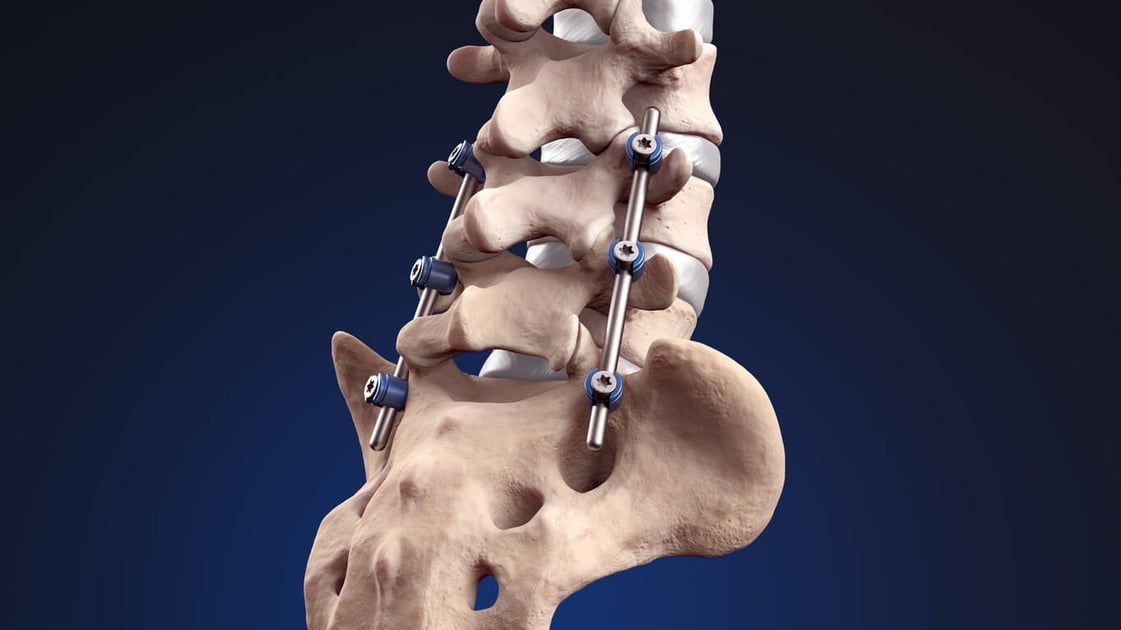
  • Stability of the Spine: In some surgeries, the goal is to stabilize the spine. It helps prevent further damage and reduces long-term complications.

Success does not always mean the complete absence of pain. In many cases, even partial improvement can make a big difference in daily life.


What Is The Success Rate Of Common Spine Surgeries?

The success rate of spine surgery depends on the type of procedure. Some surgeries show very high success rates, especially when doctors select the right patients.


  • Herniated Disc Surgery (Discectomy): This is one of the most common spine surgeries. It usually helps relieve nerve pressure. Success rates often range between 85% and 95%. Most patients feel significant relief from leg pain.
  • Spinal Stenosis Surgery (Decompression): This surgery creates more space for the nerves. Many patients experience improvement in walking and reduced pain. Success rates usually stay around 80% to 90%.
  • Spinal Fusion Surgery: Doctors perform this surgery to stabilize the spine. Success rates vary slightly but typically range from 70% to 85%. The outcome depends on proper healing and patient activity after surgery.
  • Minimally Invasive Spine Surgery: These procedures use smaller cuts and cause less tissue damage. Many patients recover faster. Success rates remain high when surgeons select the right case.

Each procedure has its own goal. Some focus on pain relief. Others focus on stability or correction. That is why success rates can vary from one surgery to another.


How Do Success Rates Vary By Spine Condition?

The success of spine surgery depends more on the condition than the procedure itself.


  • Nerve Compression Conditions: Problems like a herniated disc or spinal stenosis respond very well to surgery. Patients often experience quick relief after nerve compression is relieved.
  • Degenerative Spine Conditions: Conditions caused by wear and tear may show gradual improvement. Surgery helps, but results may not feel immediate.
  • Spinal Deformity: Complex conditions like scoliosis require major correction. Success depends on severity and surgical planning. Results can vary more in these cases.
  • Spine Tumors or Infections: In such cases, the goal is not just pain relief. Doctors focus on removing the disease and protecting the spinal cord. The outcome depends on the problem's stage.

Timing also matters. Early treatment often leads to better results. Delayed surgery may reduce the chances of full recovery.


Every spine condition behaves differently. That is why doctors always personalize the treatment plan.


Which Factors Influence Spine Surgery Success Rate?

Spine surgery success does not depend on one single factor. Several elements work together to decide the final outcome.


  • Patient's Overall Health: Healthy patients usually recover faster. Conditions like diabetes, obesity, or heart problems can slow healing.
  • Correct Diagnosis: Accurate diagnosis is crucial. If doctors identify the exact cause of pain, surgery is more likely to succeed.
  • Timing of Surgery: Early surgery often gives better results. Delaying treatment can worsen nerve damage and reduce the chances of recovery.
  • Surgeon's Experience: Experienced surgeons perform procedures more accurately. They also handle surgical complications better.
  • Type of Surgery: Some procedures have naturally higher success rates. Minimally invasive techniques often lead to faster recovery.
  • Patient Expectations: Realistic expectations matter. Surgery aims to improve quality of life, not always to eliminate every symptom.

All these factors together influence the final success rate.


How Do Modern Technologies Improve Spine Surgery Outcomes?

Modern technology has made spine surgery safer and more predictable.


  • Minimally Invasive Techniques: These procedures use small incisions. They cause less muscle damage and reduce recovery time.
  • Navigation Systems: Doctors use real-time imaging during surgery, improving accuracy and reducing the risk of errors.
  • Robotic Assistance: Robots help surgeons place implants with precision. It improves consistency and surgical control.
  • Neuromonitoring: Doctors monitor nerve signals during surgery. It helps prevent nerve injury.
  • Better Imaging: Advanced MRI and CT scans enable detailed preoperative planning. Doctors can see the problem clearly and plan the procedure carefully.

These technologies do not replace the surgeon. They support better decision-making and improve safety.


How Important Is Rehabilitation After Spine Surgery?

Rehabilitation plays a major role in the success of spine surgery. Surgery alone does not complete the treatment. Recovery depends on what happens after the operation.


  • Early Movement Helps Recovery: Doctors usually encourage gentle movement soon after surgery. Walking improves blood flow and reduces stiffness.
  • Physiotherapy Builds Strength: Structured physiotherapy helps strengthen muscles around the spine. Strong muscles support the spine and reduce future problems.
  • Improves Flexibility and Balance: Rehabilitation programs improve flexibility and posture. It helps patients safely return to normal activities.
  • Prevents Recurrence: Without proper rehabilitation, symptoms may return. Exercise and posture correction reduce the chance of repeat problems.
  • Supports Long-Term Results: Patients who follow rehabilitation plans often experience better long-term outcomes. Recovery becomes more stable and predictable.

Rehabilitation requires consistency. Small daily efforts make a big difference over time.


How Do Success Rates Compare Across Countries?

Spine surgery success rates remain similar across countries that offer advanced medical care. The outcome depends more on the surgeon's expertise and hospital quality than on location alone.


Countries such as India, Turkey, Thailand, Germany, and the UAE have developed robust spine surgery programs. These countries perform a high volume of procedures every year. High surgical volume often improves accuracy and reduces complications.


For common procedures such as disc surgery or spinal stenosis, success rates in these countries often range between 80% and 95%. Many hospitals follow standardized protocols and use modern technologies such as navigation and minimally invasive techniques.


Germany and some European countries focus on highly regulated systems and advanced infrastructure. India, Turkey, and Thailand often combine experienced surgeons with faster access to treatment. The UAE provides advanced facilities with strict clinical standards.


Differences may exist in waiting time, cost, and access to rehabilitation. However, when patients choose experienced centers and follow proper recovery plans, success rates remain consistently high across these countries.


Can Spine Surgery Fail Or Require Revision Surgery?

Spine surgery can fail in some cases, but failure remains uncommon. Most patients experience improvement after the first procedure.


Studies suggest that 1% to 5% of spine surgeries may not yield the expected results. The chances can increase in complex cases or repeat surgeries.


There are several reasons why a surgery may not succeed.


  • Incorrect Diagnosis: If doctors do not identify the exact cause of pain, surgery may not fully relieve symptoms.
  • Unrealistic Expectations: Some patients expect complete relief from all symptoms. Surgery may improve pain and function, but it may not remove every discomfort.
  • Incomplete Healing: In procedures like spinal fusion, bones must heal properly. If healing does not occur as expected, results may be affected.
  • Recurrence of the Problem: Disc problems or nerve compression can return over time and may require further treatment.
  • Lifestyle Factors: Smoking, poor posture, or lack of rehabilitation can affect long-term results.

Revision surgery may be required in some cases. Doctors usually recommend it only when symptoms persist or worsen.


To Conclude

Spine surgery is not a gamble when planned correctly. The key to joining the 90% of patients who reclaim their lives is securing a world-class surgical team and an exact diagnosis.


At Qonaq Health, we bridge the gap between your chronic pain and a successful recovery in India. We coordinate everything from your initial MRI review to your safe flight home.


Want to know the expected success rate for your specific condition? Click here to upload your MRI or X-ray reports for a free, no-obligation evaluation by India's top spine surgeons.

Related Hospitals

Discover hospitals and medical centers related to this topic for quality healthcare services.

Medical Park Bahcelievler Hospital
PLATINUM
View Details

Medical Park Bahcelievler Hospital

Istanbul, Turkey

Medical Park Bahcelievler Hospital is a 242-bed JCI-accredited hospital in Istanbul, established in 2007. Spread across 33,000 square meters and 19 fl...

Multi-specialty
Established 2007
242 beds
Accreditations
Joint Commission International (JCI)
Facilities
+13
BLK-Max Super Speciality Hospital, New Delhi
PLATINUM
View Details

BLK-Max Super Speciality Hospital, New Delhi

New Delhi, India

BLK-Max Super Speciality Hospital in New Delhi is one of India's premier healthcare institutions, offering 650 beds, 22 advanced operation theatres, a...

Multi-specialty
Established 1959
650 beds
Accreditations
Joint Commission International (JCI)
National Accreditation Board for Hospitals & Healthcare Providers (NABH)
Facilities
+13
Fortis Memorial Research Institute (FMRI), Gurgaon
PLATINUM
View Details

Fortis Memorial Research Institute (FMRI), Gurgaon

Gurgaon, India

Fortis Memorial Research Institute (FMRI), Gurgaon, is a world-class multi-specialty hospital established in 2013. The hospital offers 330 beds, 15 op...

Multi-specialty
Established 2013
330 beds
Accreditations
Joint Commission International (JCI)
National Accreditation Board for Hospitals & Healthcare Providers (NABH)
Facilities
+13
Artemis Hospital, Gurgaon
PLATINUM
View Details

Artemis Hospital, Gurgaon

Gurgaon, India

Artemis Hospital, Gurgaon, is a JCI accredited multispecialty hospital that was established in 2007. It offers 750+ beds and world -class infrastructu...

Multi-specialty
Established 2007
750 beds
Accreditations
Joint Commission International (JCI)
National Accreditation Board for Hospitals & Healthcare Providers (NABH)
International Organization for Standardization (ISO)
Facilities
+13
Kokilaben Dhirubhai Ambani Hospital, Mumbai
PLATINUM
View Details

Kokilaben Dhirubhai Ambani Hospital, Mumbai

Mumbai, India

Kokilaben Dhirubhai Ambani Hospital, Mumbai, is a JCI, NABH, NABL, and CAP-accredited quaternary care hospital established in 2009. With 750 beds, 180...

Multi-specialty
Established 2009
750 beds
Accreditations
Joint Commission International (JCI)
National Accreditation Board for Hospitals & Healthcare Providers (NABH)
International Organization for Standardization (ISO)
Facilities
+13
Medicover Hospitals, Hitech City, Hyderabad
PLATINUM
View Details

Medicover Hospitals, Hitech City, Hyderabad

Hyderabad, India

Medicover Hospitals, Hitech City, Hyderabad, is a 400-bed NABH-accredited super-specialty hospital established in 2011. It is part of Medicover, a glo...

Multi-specialty
Established 2011
400 beds
Accreditations
National Accreditation Board for Hospitals & Healthcare Providers (NABH)
Joint Commission International (JCI)
Facilities
+13

Related Doctors

Connect with experienced doctors and medical specialists in this field.

Dr. Chandramohan K

Dr. Chandramohan K

Senior Consultant

27 years of experience
View Details
Dr. Yash Mathur

Dr. Yash Mathur

Consultant

10 years of experience
View Details
Dr. Tushar Pawar

Dr. Tushar Pawar

Consultant

19 years of experience
View Details
Dr. Upasna Saxena

Dr. Upasna Saxena

Senior Consultant

21 years of experience
View Details
Dr. Trinanjan Basu

Dr. Trinanjan Basu

Senior Consultant

14 years of experience
View Details
Dr. Girish Menon

Dr. Girish Menon

Head of Department (HOD)

30 years of experience
View Details

Related Articles

Explore more articles and insights on similar health topics.
Is It Dangerous to Delay Spine Surgery?
Medical Tourism

Is It Dangerous to Delay Spine Surgery?

4/4/2026, 4:32:44 AM
9 min read
Many people hesitate when surgery is mentioned for a spine problem. The concern is understandable. The spine controls movement, balance, and daily fun...
When Should You Consider Surgery for a Herniated Disc?

Medical Tourism

When Should You Consider Surgery for a Herniated Disc?

4/4/2026, 4:03:40 AM
6 min read
"I have a slipped disc. Do I need surgery?"    "Will it get better without an operation?"    "When should I worry?"   These questions come up in...
Latest Innovations in Brain and Spine Surgery
Medical Tourism

Latest Innovations in Brain and Spine Surgery

4/4/2026, 3:47:40 AM
7 min read
Brain and spine disorders affect millions of people worldwide. Conditions such as brain tumors, spinal cord compression, and degenerative spine diseas...
Is Spine Surgery Abroad Safe?
Medical Tourism

Is Spine Surgery Abroad Safe?

2/4/2026, 1:32:33 PM
8 min read
Spine disorders affect millions of patients worldwide. Conditions such as slipped disc, spinal stenosis, and degenerative spine disease often lead to ...
How to Prepare for Organ Transplant Abroad: Medical, Legal, and Travel Checklist

Medical Tourism

How to Prepare for Organ Transplant Abroad: Medical, Legal, and Travel Checklist

2/4/2026, 1:03:37 PM
7 min read
Organ transplant requires careful planning at every stage. When patients travel abroad for transplant surgery, preparation becomes even more critical....
Best Countries for Organ Transplant: A 2026 Guide to Cost, Waiting Times, and Legal Requirements

Medical Tourism

Best Countries for Organ Transplant: A 2026 Guide to Cost, Waiting Times, and Legal Requirements

2/4/2026, 9:05:33 AM
7 min read
The global demand for organ transplant surgery continues to rise every year. Millions of patients live with end-stage organ failure, yet donor availab...
Dr. Deepanshu Siwach

Sr. Medical Writer

Sr. Medical Content Writer Qonaq Health and Wellness
Doctor of Pharmacy

Dr. Deepanshu Siwach is an experienced clinical pharmacist with a Doctor of Pharmacy degree. He has over 4 years of experience and has worked with thousands of patients. He has been associated with ... Read More

Our website uses cookies. By clicking on accept you give your consent to the use of cookies as per our Privacy Policy.