
Medical Tourism in India 2026: Is It Safe for International Patients?

Yes, traveling to India for medical treatment in 2026 remains safe for international patients when appropriately planned. India has established strong healthcare systems, modern hospitals, and structured patient support services that address medical and travel-related safety concerns.
Over the past several years, India has strengthened clinical standards, hospital infrastructure, and international patient protocols. Medical centers now follow organized treatment pathways that focus on patient safety, treatment accuracy, and continuity of care. These improvements have increased confidence among patients traveling from different regions for planned medical procedures.
Medical travel safety depends on preparation, hospital selection, and treatment coordination. India supports these factors through advanced healthcare facilities and experienced medical professionals. As a result, India remains a trusted destination for medical treatment in 2026.
Why Do International Patients Worry About Medical Travel Safety?
International patients often consider safety as the primary factor before traveling for medical care. Medical treatment abroad involves healthcare quality, travel logistics, and post-treatment recovery planning. These concerns increase when patients travel long distances from familiar healthcare systems.
Common safety concerns include hospital hygiene, treatment reliability, and emergency response readiness. Patients also worry about communication barriers, follow-up care, and infection risk during recovery. Such concerns influence treatment decisions significantly.
Travel-related factors also affect confidence. Patients consider airport access, transportation, accommodation safety, and proximity to hospitals. Medical travel requires coordination across multiple stages, which can feel overwhelming without proper support.
India addresses these concerns through structured medical travel systems. Hospitals provide coordinated care planning and safety-focused protocols that reduce uncertainty. Precise planning and professional guidance help patients travel with confidence for medical treatment.
How Has Medical Safety in India Improved in Recent Years?
Medical safety in India has improved steadily due to focused investment in healthcare systems and clinical practices. Hospitals now follow structured protocols that prioritize patient safety at every stage of treatment.
- Upgraded Hospital Infrastructure: Hospitals across India operate with modern facilities and advanced medical equipment. Updated infrastructure supports accurate diagnosis and safe delivery of treatment. Improved environments reduce clinical risk.
- Stronger Infection Control Practices: Major hospitals use Class-100 Laminar Airflow operating theaters and HEPA filters to maintain near-zero infection rates, comparable to or better than those of leading Western hospitals.
- Digital Health and Treatment Monitoring: Top hospitals comply with global data standards (such as HIPAA and GDPR), ensuring your medical records remain private and secure. Digital tracking improves accuracy and continuity. Better access to patient data supports safer clinical decisions.
- Ongoing Medical Staff Training: Doctors, nurses, and clinical staff participate in continuous education programs. Skill development improves safety awareness and the execution of treatment. Updated knowledge supports improved patient outcomes.
Medical safety improvements continue across both public and private healthcare sectors. Ongoing monitoring helps maintain consistent safety standards.
Are Hospitals in India Safe for International Patients?
Safety is not just a promise; it is audited. Over 40+ top Indian hospitals are accredited by the Joint Commission International (JCI), the same body that audits US hospitals like Mayo Clinic. Additionally, hundreds hold NABH (National Accreditation Board for Hospitals) status, ensuring rigorous checks on infection control and patient rights.
- Standardized Clinical Pathways: Hospitals follow defined treatment pathways for different medical conditions. Structured planning improves consistency and reduces procedural errors. Organized care supports patient safety.
- Dedicated Infection Prevention Teams: Specialized teams oversee hygiene, sterilization, and patient monitoring. Regular audits maintain cleanliness standards. These measures protect patients during vulnerable treatment phases.
- International Patient Care Coordination: Hospitals maintain dedicated teams for international patients. Coordinators manage appointments, documentation, and treatment timelines. Clear coordination improves safety and reduces confusion.
- Emergency Preparedness and Response: Trained medical teams remain available to handle unexpected complications. Emergency response systems support timely intervention. Preparedness enhances patient confidence during treatment.
Hospital safety depends on proper planning and selection of hospitals. Accredited centers offer structured systems that support safe medical travel.
How Do Indian Doctors Ensure Treatment Safety and Accuracy?
Doctor expertise plays a critical role in medical travel safety. Indian doctors focus on accuracy, planning, and continuous monitoring to deliver safe medical treatment.
- Strong Clinical Training and Experience: Many doctors in India receive advanced training in specialized medical fields. High patient volumes improve clinical judgment and procedural confidence. Experience supports safer decision-making during complex treatments.
- Evidence-Based Treatment Planning: Doctors follow established medical guidelines when planning treatment. Diagnostic findings guide therapy selection and sequencing. Structured planning improves treatment accuracy.
- Multidisciplinary Medical Decision-Making: Complex cases involve input from multiple specialists. Doctors review diagnostic reports together and align treatment strategies. Collaborative planning reduces clinical risk.
- Continuous Treatment Monitoring: Doctors monitor patient response closely during treatment. Regular assessment helps detect complications early. Timely adjustments support safer outcomes.
- Clear Clinical Communication: Doctors explain treatment steps and expected outcomes clearly. Transparent communication supports informed consent and patient confidence. Understanding improves treatment adherence.
Doctor expertise varies by specialty and hospital. Proper consultation and evaluation support safe treatment planning.
What Safety Measures Support International Patients During Treatment in India?
Medical travel safety depends on coordination beyond clinical care. India supports international patients through structured systems that reduce risk and uncertainty. The Indian Government's 'Heal in India' initiative provides a digital portal for international patients to verify hospital credentials, file grievances, and fast-track Medical Visas, adding an extra layer of state-backed security.
- Pre-Arrival Medical Review and Planning: Hospitals review medical reports before patient arrival. Early evaluation helps define treatment pathways and timelines. Preparation reduces unexpected delays.
- Coordinated Appointment and Treatment Scheduling: Care teams efficiently manage consultations, diagnostics, and procedures. Organized scheduling limits waiting periods. Predictable timelines support safe treatment progression.
- Language and Communication Support: Hospitals provide interpretation support when required. Clear communication helps patients understand treatment instructions. Proper understanding improves safety.
- Assistance with Logistics and Recovery Planning: Hospitals assist with accommodation planning near treatment centers. Proximity supports quick medical access during recovery. Structured planning reduces travel-related stress.
- Post-Treatment Guidance and Monitoring: Doctors provide recovery instructions and follow-up plans. Monitoring supports safe healing after treatment. Clear guidance improves long-term outcomes.
Safety support varies by hospital and treatment type. Accredited centers provide structured systems that enhance patient protection.
Is India Safe for Travel and Stay During Medical Treatment in 2026?
Travel and accommodation safety form an essential part of medical treatment planning. India offers well-developed infrastructure and support systems that help international patients travel and recover safely.
- Improved International Travel Connectivity: India operates major international airports with organized immigration and medical visa processes. Smooth entry procedures support planned medical travel. Reliable air connectivity helps patients reach treatment centers efficiently.
- Safe Accommodation Near Hospitals: Many patients stay in hotels or serviced apartments close to hospitals. Proximity allows quick access to medical care during recovery. Nearby accommodation reduces travel fatigue and risk.
- Reliable Local Transportation: Hospitals assist with arranged transport between airports, hotels, and treatment centers. Organized travel reduces navigation challenges. Controlled transport supports patient safety during movement.
- Well-established Healthcare Zones: Major treatment centers operate within well-developed urban areas. These zones offer access to pharmacies, emergency services, and support facilities.
- Support During Recovery Periods: Care coordinators guide patients on rest, mobility, and follow-up visits. Clear recovery planning helps patients avoid unnecessary travel strain. Support improves the overall treatment experience.
Travel safety depends on planning and coordination. Organized medical travel reduces risk and improves confidence during treatment in India.
How Does India Compare With Other Medical Tourism Destinations on Safety?
Patients often compare destinations before choosing medical treatment abroad. India competes strongly with other medical tourism hubs in terms of safety, quality of care, and patient support.
- Hospital Infrastructure and Technology: Indian hospitals use modern equipment and advanced treatment systems. Technology standards align with global healthcare practices. Comparable infrastructure supports safe treatment delivery.
- Doctor Expertise and Case Volume: Indian doctors manage high patient volumes across complex treatments. Regular exposure strengthens clinical decision-making. Experience improves safety consistency.
- Cost and Care Balance: India offers advanced medical care at a lower overall cost. Affordable treatment allows patients to complete full care plans. Financial accessibility supports continuity and safety.
- International Patient Coordination Systems: Hospitals provide structured support for international patients. Dedicated coordination improves communication and care flow. Organized systems reduce treatment-related risk.
- Treatment Planning and Follow-Up: Indian centers emphasize structured planning and post-treatment guidance. Clear follow-up supports long-term safety. Ongoing monitoring improves patient confidence.
Safety outcomes depend on hospital selection and treatment type. Accredited centers with experience in international care offer reliable medical travel options.
What Should Patients Do to Travel Safely for Medical Treatment in India?
Safe medical travel depends on preparation, documentation, and coordination. Patients who plan carefully reduce risk and improve treatment experience.
- Medical Evaluation and Report Preparation: Patients should gather recent medical reports, imaging, and prescriptions. Clear documentation supports accurate treatment planning. Complete records reduce delays after arrival.
- Hospital Selection and Treatment Confirmation: Patients benefit from confirming hospital credentials and treatment plans before travel. Pre-approval of procedures improves coordination. Clear confirmation supports safe scheduling.
- Medical Visa and Travel Documentation: India offers medical visas for treatment purposes. Proper visa documentation supports smooth immigration clearance. Organized paperwork reduces travel-related stress.
- Travel and Recovery Timeline Planning: Patients should plan travel dates around treatment and recovery needs. Adequate rest periods support healing. Proper timing reduces physical strain.
- Post-Treatment Follow-Up Planning: Patients should confirm their follow-up schedules before leaving the hospital. Clear instructions support safe recovery. Ongoing communication improves continuity of care.
Careful preparation strengthens safety during medical travel. Organized planning supports confident treatment decisions.
Who Should Consider Medical Treatment in India in 2026?
Medical treatment in India suits patients seeking quality care with structured support. Suitability depends on medical needs, treatment complexity, and recovery planning.
- Patients Requiring Advanced Medical Technology: Hospitals offer modern treatment systems across multiple specialties. Advanced care supports complex medical needs. Technology access improves treatment accuracy.
- Patients Managing Long-Term Treatment Plans: India supports continuity across multi-stage treatments. Structured follow-up improves long-term care. Ongoing monitoring supports recovery.
- Patients Seeking Cost-Conscious Care: Affordable treatment enables completion of full therapy plans. Financial accessibility supports uninterrupted care. Cost balance improves overall treatment experience.
- Patients Able to Follow Travel and Recovery Guidance: Medical travel requires adherence to medical advice and planning. Patients who follow guidance benefit most. Cooperation supports safety and recovery.
Suitability varies by individual health status. Medical consultation helps confirm treatment readiness and planning.
Quick Safety Checklist for 2026 Medical Travelers
To ensure a safe and smooth experience, use this checklist to verify your treatment plan before booking your flight.
- Check for Accreditation: Ensure your chosen hospital holds a JCI (International) or NABH (National) accreditation certificate. These badges guarantee that the hospital meets strict global safety standards.
- Verify Doctor Credentials: Look for a specialist with 10+ years of experience. Many top Indian doctors are also members of international medical boards (like the American College of Surgeons or the Royal College of Physicians).
- Secure an Official Medical Visa: Apply for an e-Medical Visa through the official Government of India portal. It provides legal protection and access to special immigration counters at airports.
- Request a Written Cost Estimate: Ask for a detailed treatment plan that breaks down costs for surgery, room rent, and implants. Avoid hospitals that only give vague verbal estimates.
- Have a Pre-Travel Video Consultation: Schedule a video call (Zoom/WhatsApp) with your surgeon. Asking questions directly helps you assess their communication style and builds trust before you arrive.
- Confirm Post-Discharge Support: Ensure the hospital provides a clear plan for follow-up care once you return home, including how to share future reports with your doctor.
Next Steps for Safe Medical Treatment in India
Patients considering medical treatment in India benefit from proper planning and expert guidance. Early medical review and coordinated care help reduce uncertainty and improve treatment outcomes.
Speaking with a medical travel support team can help clarify treatment options, safety measures, timelines, and recovery planning. Structured guidance allows patients to make informed decisions with confidence and clarity.
For patients seeking safe, well-planned medical treatment in India in 2026, professional coordination can simplify every step of the journey, from initial evaluation to post-treatment follow-up.
Related Hospitals
Discover hospitals and medical centers related to this topic for quality healthcare services.
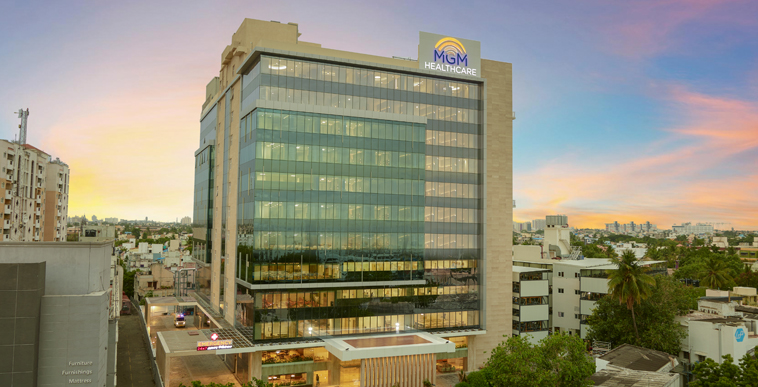
MGM Healthcare, Chennai
MGM Healthcare, Chennai, is a 400-bed quaternary-care super-specialty hospital accredited by JCI, NABH, and NABL. The hospital features 100 ICU beds, ...
Accreditations
Facilities
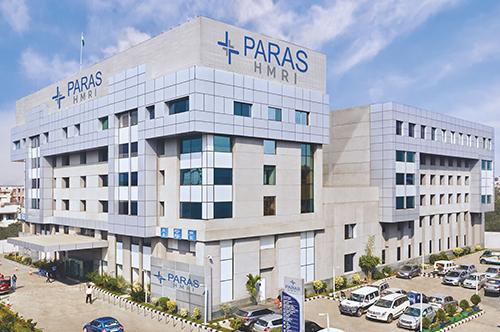
Paras Hospital, Gurgaon
Paras Hospital, Gurgaon, established in 2006, is a 300-bed NABH- and NABL-accredited tertiary care hospital offering over 36 super specialties. The ho...
Accreditations

Facilities

Medanta - The Medicity Hospital, Gurgaon
Medanta – The Medicity in Gurgaon is one of India's largest and most advanced multi-speciality hospitals, founded in 2009 by world-renowned cardiac su...
Accreditations


Facilities
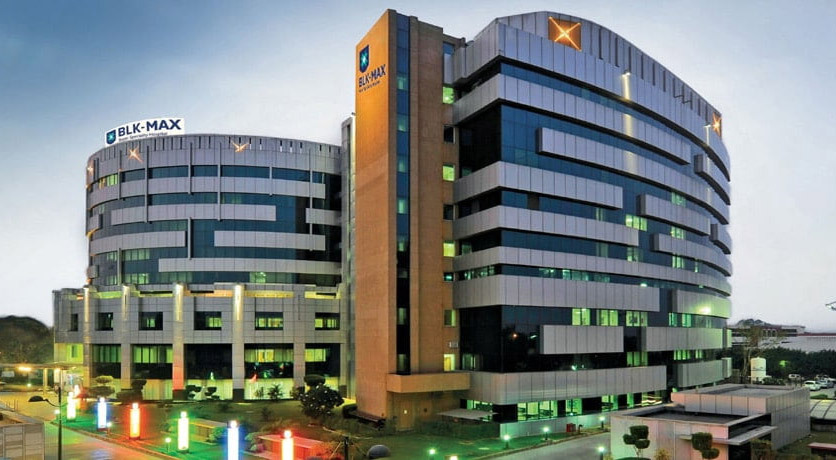
BLK-Max Super Speciality Hospital, New Delhi
BLK-Max Super Speciality Hospital in New Delhi is one of India's premier healthcare institutions, offering 650 beds, 22 advanced operation theatres, a...
Accreditations


Facilities
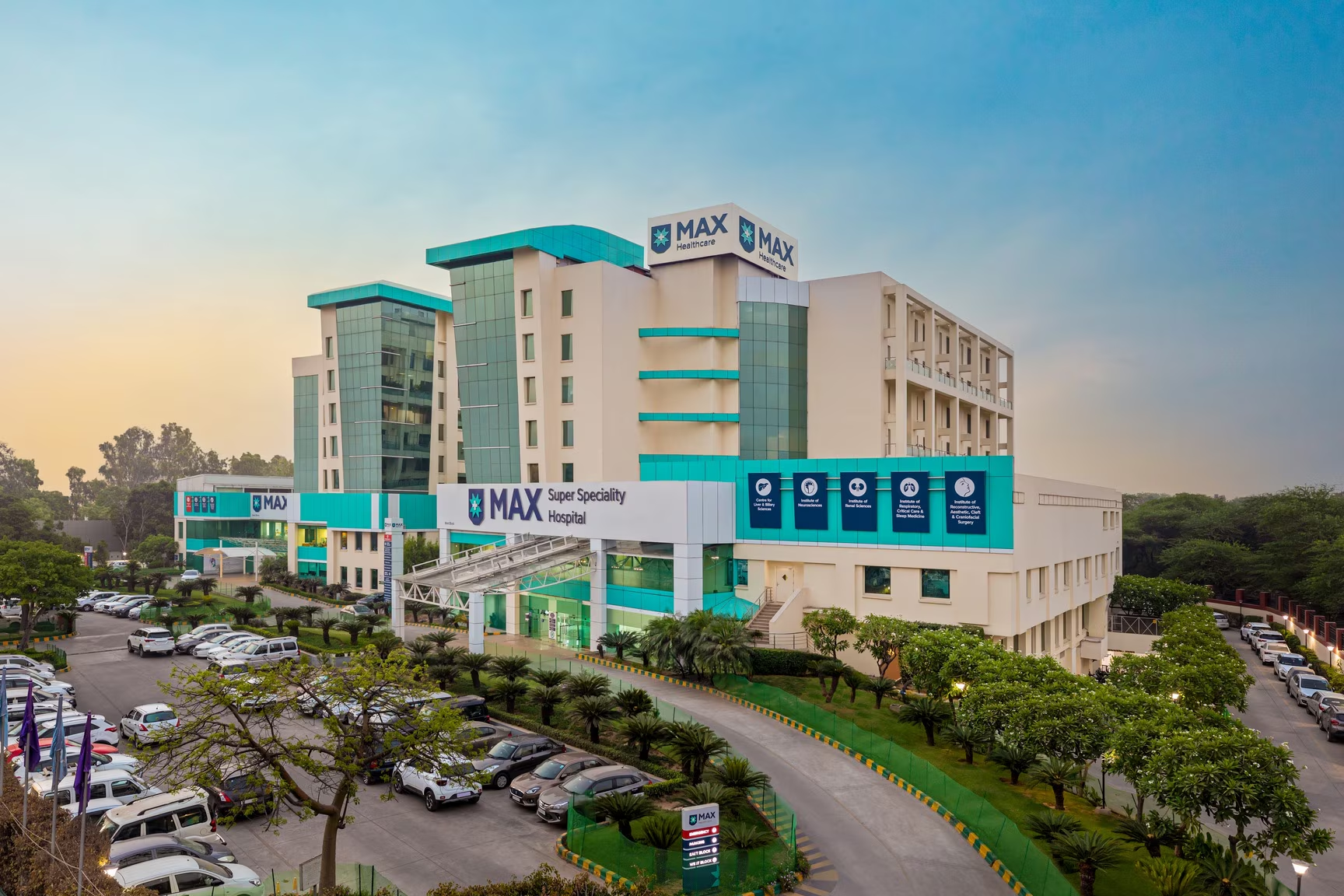
Max Super Speciality Hospital, Saket, Delhi
Max Super Speciality Hospital, Saket, New Delhi, is a leading JCI- and NABH-accredited hospital offering advanced medical care across 38+ specialities...
Accreditations



Facilities
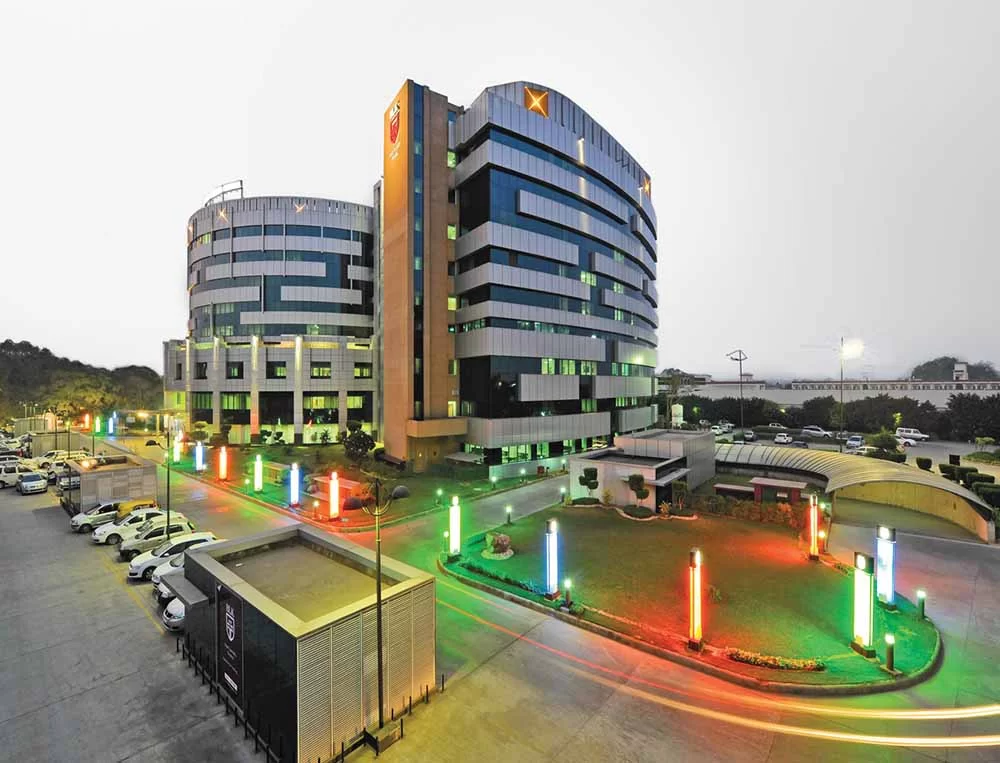
Fortis Memorial Research Institute (FMRI), Gurgaon
Fortis Memorial Research Institute (FMRI), Gurgaon, is a world-class multi-specialty hospital established in 2013. The hospital offers 330 beds, 15 op...
Accreditations


Facilities
Related Doctors
Connect with experienced doctors and medical specialists in this field.

Dr. Govindaraj AB
Senior Consultant

Dr. A.L. Narayanan
Senior Consultant

Dr. Hariharan Mohan
Consultant
Dr. Shivraj Barath Kumar
Senior Consultant

Dr. Sathya Vamsi Krishna
Senior Consultant

Dr. Anand Chavan
Senior Consultant
Related Articles
Explore more articles and insights on similar health topics.
Back Pain or Something More? When Does a Spine Tumor Require Surgery?

How Long Can You Live After an Organ Transplant?
Who Can Get an Organ Transplant in India? Eligibility Rules Explained
Is Organ Transplant Safe for International Patients in India? Laws, Risks, and Success Rates Explained
Bone Marrow Transplant vs CAR-T Cell Therapy: Which Is Better for Blood Cancer?
Can You Survive Leukemia Without a Bone Marrow Transplant?

Author
View AllDr. Deepanshu Siwach is an experienced clinical pharmacist with a Doctor of Pharmacy degree. He has over 4 years of experience and has worked with thousands of patients. He has been associated with ... Read More
Our website uses cookies. By clicking on accept you give your consent to the use of cookies as per our Privacy Policy.
