Latest Cancer Treatments Available In India

10/2/2026, 12:16:36 PM 8 min read Medical Tourism
Latest Cancer Treatments Available In India
Cancer treatment continues to evolve as advances in medical science and technology unfold. Newer treatment approaches now focus on precision, personalization, and reduced treatment-related burden. Many international patients explore cancer treatment in India because of access to these newer therapies alongside established oncology care.


Understanding the latest cancer treatments available in India helps patients realistically evaluate their options. Clear knowledge supports better planning around treatment selection, expected outcomes, and follow-up care.


What Do Doctors Mean By "Latest" Cancer Treatments?

Doctors use the term "latest" to describe treatments that rely on recent clinical evidence and newer technology. These treatments differ from older approaches in how precisely they target cancer and how they limit harm to healthy tissue.


Latest cancer treatments often focus on personalization. Doctors select therapy based on tumor biology, genetic markers, and predicted response. This approach moves away from uniform treatment for all patients.


Doctors also consider safety and outcomes before adopting new treatments. Clinical trials and outcome data guide this process. Treatments gain acceptance only after evidence supports their benefits and manageable risks.


In India, doctors follow international oncology guidelines while adapting care to patient needs. Access to modern diagnostics and therapeutic platforms enables the responsible use of newer treatments. Doctors explain the benefits and limitations clearly before treatment begins.


Which Recent Advances Have Changed Cancer Treatment Approaches?

Recent advances have changed how doctors understand and treat cancer. These changes emphasize precision, adaptability, and long-term disease control.


  • Shift Toward Precision Medicine: Doctors now analyze tumor characteristics in detail. Molecular and genetic information guides therapy selection. This precision improves treatment response in selected patients.
  • Focus on Targeted and Immune-Based Therapy: Newer treatments act on specific cancer pathways or immune mechanisms. These therapies reduce reliance on nonspecific cell destruction. Selective action helps preserve normal cells.
  • Improved Treatment Planning Through Imaging: Advanced imaging allows accurate staging and response assessment. Doctors use this information to adjust treatment early. Timely adjustment improves outcomes.
  • Greater Emphasis on Organ Preservation: Doctors increasingly aim to treat cancer without removing organs when possible. Radiation and systemic therapy often replace extensive surgery. This approach supports a better quality of life.

These advances influence cancer care decisions in India and globally. Doctors integrate them carefully to match the patient's condition and disease behavior.


What Are The Latest Drug-Based Cancer Treatments Used In India?

Drug-based cancer treatment has evolved beyond traditional chemotherapy. Doctors now use newer medicines that act with greater precision and control.


  • Targeted Therapy: Oncologists prescribe targeted drugs after identifying specific tumor markers. These drugs block cancer growth pathways. Indian hospitals utilize the latest global protocols, including Pembrolizumab (Keytruda) for lung cancer, Trastuzumab for breast cancer, and Osimertinib for EGFR-mutated tumors. Many of these are available as high-quality 'Biosimilars' in India, reducing the cost by 40-60%
  • Immunotherapy: Doctors use immunotherapy to activate the immune system against cancer. Immune checkpoint inhibitors help the body recognize cancer cells. This treatment benefits selected cancers with defined immune profiles.
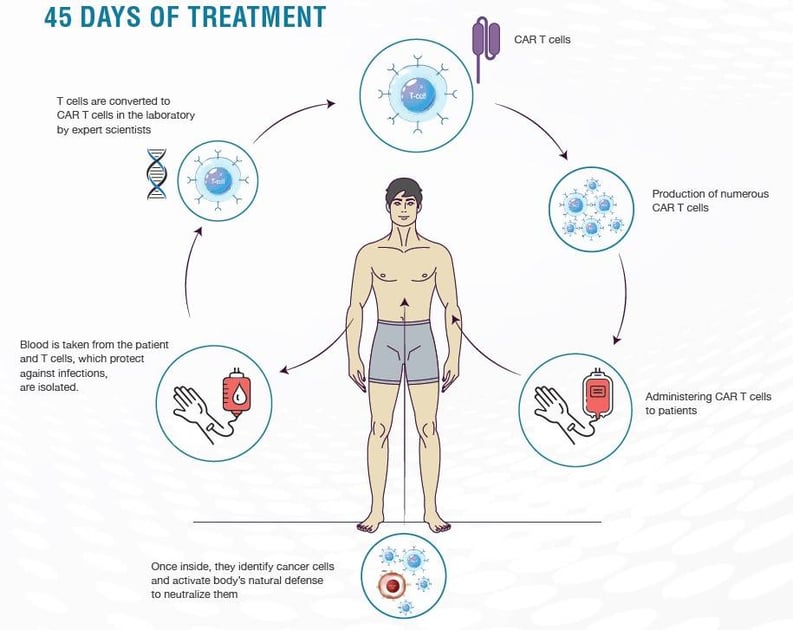
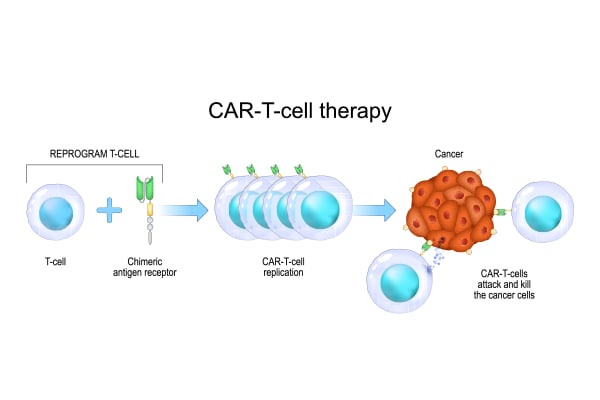
  • CAR-T Cell Therapy: India recently launched its own indigenous CAR-T Cell Therapy (NexCAR19) for B-cell Lymphomas and Leukemia. While this treatment costs $400,000+ in the US, it is available in certified Indian hospitals for approximately $40,000-$50,000, making a life-saving 'living drug' accessible to international patients.
  • Newer Chemotherapy Agents: Doctors continue to use chemotherapy with improved drug formulations. Newer agents aim to increase effectiveness while reducing side effects. Supportive care helps patients tolerate treatment better.
  • Combination Drug Regimens: Doctors often combine drug therapies to improve response. Targeted therapy or immunotherapy may be used alongside chemotherapy. Combination planning depends on cancer type and stage.

In India, access to diagnostic testing supports appropriate drug selection. Doctors rely on evidence-based protocols to guide treatment choice.


How India Makes Advanced Cancer Drugs Affordable?

A primary reason international patients choose India for "latest" treatments is the significant cost difference for immunotherapy and targeted therapy. In Western countries, a single dose of a biological drug can cost over $10,000. In India, patients can access the same clinical benefits for a fraction of the price thanks to Biosimilars.


India is known as the "Pharmacy of the World". It is a global leader in the production of high-quality Biosimilars (drugs that are highly similar to the original FDA-approved biological medicine) with no meaningful differences in safety or effectiveness.


Why does this matter to you?


  • Massive Savings: A complete cycle of Trastuzumab (Herceptin) for breast cancer might cost $70,000+ in the US. In India, using a globally approved biosimilar, the same treatment cycle often costs between $6,000 and $8,000.
  • Global Standards: These drugs are not "cheap imitations." They undergo rigorous testing and are approved by regulatory bodies like the DCGI, FDA, or EMA. They are used standardly in top hospitals worldwide.
  • Access to "Unaffordable" Cures: Many patients who cannot afford life-saving immunotherapies (such as Pembrolizumab or Nivolumab) in their home country find that Indian pricing makes the impossible possible.

Pro-Tip: When requesting a treatment plan from Qonaq Health, ask for a cost estimate using "Biosimilar Options" to see the potential savings for your specific protocol.


How Do Precision Radiation Techniques Improve Cancer Care?

Precision radiation techniques have changed how doctors deliver radiation therapy. These methods improve accuracy and reduce exposure to healthy tissue.


  • Intensity-Modulated Radiation Therapy: Doctors shape radiation beams to match tumor contours. The IMRT technique delivers a higher dose to cancer cells. Surrounding tissue receives less radiation.
  • Image-Guided Radiation Therapy: Doctors use imaging before and during treatment. Real-time guidance ensures correct targeting. This accuracy reduces treatment error.
  • Stereotactic Radiation Techniques: Doctors deliver high-dose radiation to small, well-defined tumors. Fewer treatment sessions may be required. This approach is suitable for selected early-stage or localized cancers.
  • Adaptive Radiation Planning: Doctors adjust radiation plans based on tumor response. Changes in size or position guide replanning. This flexibility improves treatment precision.

India is home to South Asia's first Proton Beam Therapy Centre (Apollo). This technology delivers pencil-beam radiation that stops precisely at the tumor site, making it ideal for treating brain tumors in children or cancers near the heart/eye.


What Role Does Molecular And Genetic Testing Play In Modern Cancer Treatment?

Molecular and genetic testing guide many of today's cancer treatment decisions. Doctors use these tests to understand how a tumor behaves at the biological level.


  • Doctors analyze genetic changes within cancer cells. These changes influence how cancer grows and responds to treatment. Test results help doctors select therapies that match tumor characteristics.
  • Molecular testing supports the use of targeted therapy and immunotherapy. Doctors rely on these results to avoid ineffective treatment. This approach improves response prediction and reduces unnecessary exposure to drugs.
  • Genetic profiling also helps assess treatment resistance. Some tumors carry markers linked to poor response to standard therapy. Early identification allows doctors to adjust treatment strategy.

In India, access to advanced pathology and molecular laboratories supports this testing. Doctors integrate results into treatment planning to personalize care responsibly.


How Are Minimally Invasive And Robotic Techniques Used In Cancer Surgery Today?

Minimally invasive and robotic techniques play a growing role in cancer surgery. Doctors use these methods when surgery remains necessary and safe.


  • Minimally invasive cancer surgery uses small incisions and camera guidance. Doctors remove tumors with controlled access. This approach limits tissue disruption and supports faster recovery.
  • Robotic-assisted surgery enhances precision during complex procedures. Robotic systems improve hand stability and visualization. Doctors use these systems for cancers in anatomically delicate areas.

These techniques support organ preservation when possible. Doctors aim to remove cancer while maintaining function. Reduced surgical trauma improves post-operative recovery.


In India, trained surgical teams apply these techniques selectively. Doctors recommend them only when evidence supports benefit and safety.


Which Cancers Benefit Most From Newer Treatment Approaches?

Newer cancer treatments benefit certain cancers more than others. Doctors identify these cancers based on biological behavior and treatment sensitivity.


  • Cancers With Defined Molecular Targets: Some cancers carry specific genetic or molecular markers. Targeted therapy works effectively in these cases. Lung cancer, breast cancer, and colorectal cancer often fall into this group.
  • Cancers Responsive to Immunotherapy: Certain cancers respond well to immune-based treatment. Melanoma, lung cancer, and some head and neck cancers show benefits. Doctors carefully select patients based on clinical markers.
  • Localized Cancers Suitable For Precision Radiation: Early-stage tumors respond well to focused radiation techniques. Prostate cancer and select brain tumors often benefit. Precision helps preserve surrounding organs.
  • Cancers Requiring Organ Preservation: Cancers involving critical structures may benefit from non-surgical or minimally invasive treatment. Doctors aim to control disease while maintaining function. This approach improves long-term quality of life.


How Do Doctors Decide If A Patient Is Suitable For The Latest Cancer Treatments?

Doctors assess suitability through a structured clinical process. This process balances benefit, safety, and expected outcome.


  • Clinical Evaluation and Diagnosis: Doctors review imaging, biopsy results, and staging reports. Accurate diagnosis forms the foundation of treatment selection. Errors at this stage affect outcomes.
  • Tumor Biology and Molecular Profile: Doctors assess available genetic and molecular markers. These markers guide targeted and immune-based therapy selection. Testing helps avoid ineffective treatment.
  • Patient Health and Treatment Tolerance: Doctors consider age, medical history, and organ function. Treatment tolerance influences therapy choice. Safer options receive priority when risk increases.
  • Evidence and Expected Benefit: Doctors rely on clinical evidence and treatment guidelines. They select newer treatments only when the data support their benefit. Experimental use remains limited.
  • Multidisciplinary Review: Specialists review complex cases together. This collaboration improves decision quality. Team-based planning supports balanced care.


How Do International Patients Access Latest Cancer Treatments In India?

International patients can access the latest cancer treatments in India through a planned, coordinated care process. Early preparation helps align treatment choice with medical need.


  • Doctors begin by reviewing medical reports in detail before travel. This review confirms diagnosis, staging, and suitability for newer treatment options. Early assessment helps avoid unnecessary delays after arrival.
  • Doctors then outline treatment options and expected timelines. Clear schedules support travel and stay planning. Predictable timelines reduce uncertainty during treatment.
  • During treatment, care teams coordinate diagnostics, therapy sessions, and monitoring. Doctors closely monitor the response and adjust treatment when needed. Continuous review supports treatment accuracy.
  • After active treatment, doctors provide follow-up guidance. Patients receive instructions for recovery, monitoring, and report sharing after returning home. Ongoing communication supports long-term care planning.

Access to newer treatments depends on clinical suitability. Doctors prioritize safety, evidence, and expected benefit in every decision.


To Summarise

Latest cancer treatments in India focus on precision, personalization, and responsible use of advanced technology.


Doctors rely on molecular testing, targeted therapy, immunotherapy, precision radiation, and minimally invasive techniques to improve treatment accuracy. International patients who seek clarity on suitability, timelines, and expected outcomes can begin with a professional medical review to plan care with informed confidence.

Related Hospitals

Discover hospitals and medical centers related to this topic for quality healthcare services.

MGM Healthcare, Chennai
PLATINUM
View Details

MGM Healthcare, Chennai

Chennai, India

MGM Healthcare, Chennai, is a 400-bed quaternary-care super-specialty hospital accredited by JCI, NABH, and NABL. The hospital features 100 ICU beds, ...

Multi-specialty
Established 2019
400 beds
Accreditations
National Accreditation Board for Hospitals & Healthcare Providers (NABH)
Joint Commission International (JCI)
Facilities
+13
Paras Hospital, Gurgaon
PLATINUM
View Details

Paras Hospital, Gurgaon

Gurgaon, India

Paras Hospital, Gurgaon, established in 2006, is a 300-bed NABH- and NABL-accredited tertiary care hospital offering over 36 super specialties. The ho...

Multi-specialty
Established 2006
300 beds
Accreditations
National Accreditation Board for Hospitals & Healthcare Providers (NABH)
Facilities
+13
Medanta - The Medicity Hospital, Gurgaon
PLATINUM
View Details

Medanta - The Medicity Hospital, Gurgaon

Gurgaon, India

Medanta – The Medicity in Gurgaon is one of India's largest and most advanced multi-speciality hospitals, founded in 2009 by world-renowned cardiac su...

Multi-specialty
Established 2009
1391 beds
Accreditations
Joint Commission International (JCI)
National Accreditation Board for Hospitals & Healthcare Providers (NABH)
Facilities
+13
BLK-Max Super Speciality Hospital, New Delhi
PLATINUM
View Details

BLK-Max Super Speciality Hospital, New Delhi

New Delhi, India

BLK-Max Super Speciality Hospital in New Delhi is one of India's premier healthcare institutions, offering 650 beds, 22 advanced operation theatres, a...

Multi-specialty
Established 1959
650 beds
Accreditations
Joint Commission International (JCI)
National Accreditation Board for Hospitals & Healthcare Providers (NABH)
Facilities
+13
Max Super Speciality Hospital, Saket, Delhi
PLATINUM
View Details

Max Super Speciality Hospital, Saket, Delhi

New Delhi, India

Max Super Speciality Hospital, Saket, New Delhi, is a leading JCI- and NABH-accredited hospital offering advanced medical care across 38+ specialities...

Multi-specialty
Established 2006
539 beds
Accreditations
Joint Commission International (JCI)
National Accreditation Board for Hospitals & Healthcare Providers (NABH)
International Organization for Standardization (ISO)
Facilities
+13
Fortis Memorial Research Institute (FMRI), Gurgaon
PLATINUM
View Details

Fortis Memorial Research Institute (FMRI), Gurgaon

Gurgaon, India

Fortis Memorial Research Institute (FMRI), Gurgaon, is a world-class multi-specialty hospital established in 2013. The hospital offers 330 beds, 15 op...

Multi-specialty
Established 2013
330 beds
Accreditations
Joint Commission International (JCI)
National Accreditation Board for Hospitals & Healthcare Providers (NABH)
Facilities
+13

Related Doctors

Connect with experienced doctors and medical specialists in this field.
Dr. Shishir Shetty

Dr. Shishir Shetty

Head of Department (HOD)

14 years of experience
View Details
Dr. Gopal Ramakrishnan

Dr. Gopal Ramakrishnan

Senior Consultant

40 years of experience
View Details
Dr. C N Patil

Dr. C N Patil

Head of Department (HOD)

20 years of experience
View Details
Dr. Aditya Murali

Dr. Aditya Murali

Consultant

15 years of experience
View Details
Dr. Vijay K Ahuja

Dr. Vijay K Ahuja

Senior Consultant

40 years of experience
View Details
Dr. M S Belliappa

Dr. M S Belliappa

Head of Department (HOD)

30 years of experience
View Details

Related Articles

Explore more articles and insights on similar health topics.
Back Pain or Something More? When Does a Spine Tumor Require Surgery?
Medical Tourism

Back Pain or Something More? When Does a Spine Tumor Require Surgery?

1/3/2026, 12:51:20 PM
9 min read
When a diagnosis involves the spine, the first question is almost always: 'Will I still be able to walk?' In 2026, spine tumor care has shifted from '...
Who Can Get an Organ Transplant in India? Eligibility Rules Explained
Medical Tourism

Who Can Get an Organ Transplant in India? Eligibility Rules Explained

1/3/2026, 12:00:36 PM
7 min read
Organ failure remains a growing global health challenge. Chronic kidney disease affects millions worldwide, and thousands of patients develop end-stag...
Bone Marrow Transplant vs CAR-T Cell Therapy: Which Is Better for Blood Cancer?
Medical Tourism

Bone Marrow Transplant vs CAR-T Cell Therapy: Which Is Better for Blood Cancer?

28/2/2026, 1:48:01 PM
9 min read
If you are fighting a blood cancer like leukemia or lymphoma, you have likely reached a crossroad. On one side is the Bone Marrow Transplant (BMT), a ...
Can You Survive Leukemia Without a Bone Marrow Transplant?
Medical Tourism

Can You Survive Leukemia Without a Bone Marrow Transplant?

28/2/2026, 1:27:24 PM
7 min read
Leukemia treatment often brings one major question. Is a bone marrow transplant always necessary for a cure? Many patients fear transplant because it ...
Is Bone Marrow Transplant Safe for International Patients?
Medical Tourism

Is Bone Marrow Transplant Safe for International Patients?

25/2/2026, 2:20:44 PM
7 min read
A bone marrow transplant sounds complex and overwhelming. Many patients hear the word “transplant” and immediately think of high risk. That concern fe...
Chemotherapy vs Targeted Therapy: Which Is Better for Cancer Treatment in 2026?

Medical Tourism

Chemotherapy vs Targeted Therapy: Which Is Better for Cancer Treatment in 2026?

25/2/2026, 1:17:01 PM
11 min read
Hearing the word chemotherapy often brings fear. Many people imagine harsh side effects and long, exhausting months. That reaction feels natural. Canc...
Dr. Deepanshu Siwach

Sr. Medical Writer

Sr. Medical Content Writer Qonaq Health and Wellness
Doctor of Pharmacy

Dr. Deepanshu Siwach is an experienced clinical pharmacist with a Doctor of Pharmacy degree. He has over 4 years of experience and has worked with thousands of patients. He has been associated with ... Read More

Our website uses cookies. By clicking on accept you give your consent to the use of cookies as per our Privacy Policy.