
Is Organ Transplant Safe for International Patients in India? Laws, Risks, and Success Rates Explained
For an international patient, the decision to travel for an organ transplant is often a choice made out of necessity. Long waiting lists at home or the prohibitive cost of care in the West drive thousands of patients to India every year. But this journey comes with a heavy question: Is it safe?
In 2026, the answer is a resounding yes, but with a critical caveat. It is safe only if you follow the strict legal and medical protocols established by the Indian government. India has moved beyond being just a "low-cost" destination to becoming a highly regulated hub for transplant excellence.
India regularly performs kidney and liver transplants at specialized centers. However, safety does not depend solely on surgery. It depends on medical screening, donor verification, legal approval, and structured post-operative monitoring. Understanding how these systems work helps foreign patients make informed decisions.
What Does Safety Mean In Organ Transplant?
Safety in organ transplantation extends beyond mere survival after surgery. Doctors define safety in terms of surgical success, control of rejection, prevention of infection, and long-term organ function.
- First, surgical safety matters. Transplant surgery requires precise coordination between surgical, anesthesia, and intensive care teams. Experienced teams reduce intraoperative complications.
- Second, immune safety plays a major role. After a transplant, the immune system may attack the new organ. Doctors use immunosuppressive medication to prevent rejection. Regular blood tests help detect early warning signs.
- Third, infection control remains critical. Immunosuppressive drugs weaken the immune response. Hospitals must maintain strict hygiene protocols to protect patients.
Long-term monitoring also supports safety. Doctors closely monitor organ function through laboratory tests and imaging. Early detection of dysfunction allows timely intervention.
Which Organs Are Commonly Transplanted For Foreign Patients In India?
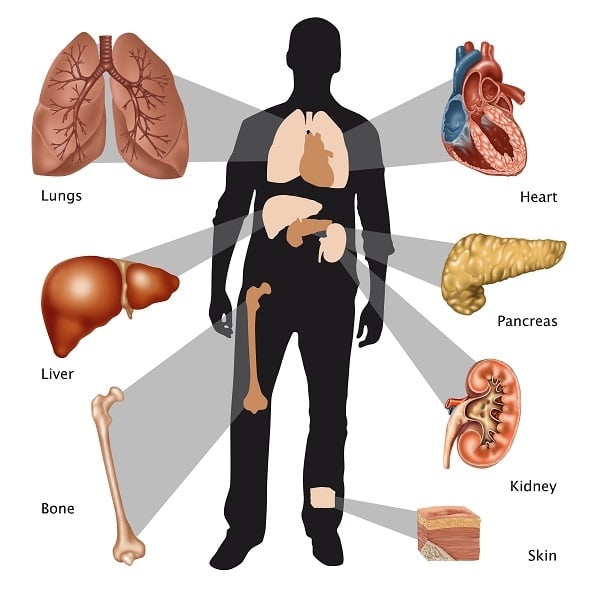
Foreign patients most commonly seek a kidney and liver transplant in India. These procedures occur more frequently than heart or lung transplants.
- Kidney Transplant: Kidney transplant treats end-stage renal disease. Living donor transplant often offers strong outcomes. Patients usually require lifelong immune suppression after surgery.
- Liver Transplant: Liver transplant treats advanced liver failure and certain liver cancers. Living donor liver transplant remains common in India. Surgery demands high surgical precision and intensive monitoring.
- Heart and Lung Transplant: These procedures occur less frequently. They require specialized infrastructure and donor availability. Doctors select candidates carefully due to the higher risk.
How Do Doctors Evaluate Foreign Patients Before Organ Transplant?
Doctors begin evaluation long before surgery. Careful screening improves safety and long-term outcomes.
- Detailed Medical Review: Doctors examine medical history, prior treatments, and current organ function. Blood tests and imaging confirm disease severity. Accurate assessment prevents unnecessary risk.
- Cardiac and Lung Fitness Testing: Major transplant surgery stresses the heart and lungs. Doctors perform cardiac evaluation and pulmonary testing. Good baseline fitness improves recovery.
- Infection Screening: Doctors screen for viral and bacterial infections before transplant. Active infection can complicate immune suppression. Early detection allows treatment before surgery.
- Compatibility Testing: Blood group matching and crossmatch testing confirm donor compatibility. In a kidney transplant, human leukocyte antigen matching improves safety.
- Psychological and Social Assessment: Transplant requires long-term discipline and medication adherence. Doctors assess whether the patient can follow post-transplant care strictly. Strong support systems improve outcomes.
Which Indian Laws Govern Organ Transplantation for Foreign Nationals?
Organ transplantation in India is subject to strict legal regulation. The Transplantation of Human Organs and Tissues Act, commonly known as THOA, governs all organ donation and transplant procedures.
- THOA prohibits commercial organ trade. The law allows a living donor transplant only under defined relationships or through special approval. This framework protects both donor and recipient.
- Foreign nationals must provide documented proof of a donor relationship when using a living donor. Authorization committees review all documents carefully. These committees verify identity, consent, and absence of financial coercion.
- In a deceased donor transplant, allocation follows national guidelines. Regulatory oversight ensures fairness and transparency.
Strict regulation strengthens transplant safety. Legal compliance protects patients from unethical practices and ensures procedural transparency.
What Role Does NOTTO Play In Organ Transplant Regulation In India?
The National Organ and Tissue Transplant Organization (NOTTO) oversees organ donation and allocation at the national level in India. It operates under the Transplantation of Human Organs and Tissues Act.
- NOTTO maintains a centralized registry of organ donors and recipients. This system helps coordinate deceased donor organ allocation across states. Transparent allocation reduces misuse and supports fairness.
- NOTTO also sets guidelines for transplant centers. Hospitals must follow defined protocols for organ retrieval, allocation, and reporting. Compliance strengthens accountability.
- For foreign patients, NOTTO oversight adds an additional layer of regulation. In a deceased donor transplant, allocation follows national criteria rather than a private arrangement. This system promotes ethical practice.
Central coordination improves transparency and safety. Regulatory supervision protects both recipients and donors.
What is the Success Rate of Organ Transplants in India?
Beyond the law, medical outcomes in India are comparable to those at the best centers in the US or UK, largely due to the adoption of Robotic-Assisted Surgery.
- Kidney Transplants: Top Indian hospitals now report success rates of 95-98% for living donor robotic transplants. The use of the Da Vinci Xi robot allows for smaller incisions, meaning less blood loss and a significantly lower risk of post-op infection.
- Liver Transplants: Survival rates exceed 85-90%, with centers now specializing in complex "split-liver" transplants that save two lives with one organ.
How Do Hospitals Reduce Infection Risk After Organ Transplant?
Infection control remains a major priority after an organ transplant. Immunosuppressive medications lower the body's natural defenses against infection. Hospitals must reduce exposure risk at every stage.
- Transplant units use controlled environments with strict hygiene protocols. Staff follow protective measures, including hand hygiene, the use of sterilized equipment, and visitor restrictions. These steps reduce contamination.
- Doctors prescribe preventive antibiotics and antiviral medication when necessary. Preventive treatment lowers the risk of early infection. Close laboratory monitoring helps detect infections early.
- Regular blood tests track white blood cell counts and organ function. Doctors adjust immunosuppressive medication based on these results. Balanced dosing protects the transplanted organ while limiting infection risk.
- Indian hospitals accommodate international patients in dedicated HEPA-filtered transplant suites. These rooms use positive-pressure systems to prevent outside air (or germs) from entering the patient's recovery zone. This "bubble" environment is critical during the first week when your immune system is deliberately suppressed.
- Clear discharge instructions also support safety. Patients receive guidance on hygiene, diet, and symptom monitoring. Early reporting of fever or unusual symptoms improves outcomes.
What Are The Major Risks Associated With Organ Transplant?
Organ transplant carries a significant medical risk. Doctors explain these risks clearly before proceeding.
- Organ Rejection: The immune system may recognize the new organ as foreign. Acute rejection can occur early after surgery. Chronic rejection may develop slowly over time. Regular monitoring helps detect early signs.
- Infection: Immunosuppressive medication lowers resistance to infection. Bacterial, viral, or fungal infections may occur during early recovery. Preventive medication and close follow-up reduce this risk.
- Surgical Complications: Bleeding, clot formation, or technical complications can occur during or after surgery. Experienced surgical teams lower complication rates.
- Organ Dysfunction: The transplanted organ may not function immediately. Delayed graft function sometimes requires temporary supportive care. Continuous monitoring improves early detection.
- Medication-Related Side Effects: Long-term immune suppression can affect blood pressure, kidney function, or blood sugar levels. Doctors adjust medication doses to manage these effects.
Doctors weigh these risks against the severity of organ failure. In many cases, a transplant offers a survival benefit despite potential complications.
Who Can Donate to a Foreign Patient?
This is the most common area of confusion. To ensure safety and legality, Indian law is very specific about who can be a donor for a foreign national:
- Near Relatives Only: A spouse, parent, sibling, child, or grandparent.
- Embassy Verification: You must provide a Form 21 certification from your country's embassy in India confirming your relationship with your donor.
- No Commercial Donors: It is illegal to pay a donor. Any agent promising you a "paid donor" is leading you into a scam. Qonaq strictly adheres to legal, ethical donation pathways only.
How Does Donor Matching Influence Transplant Safety?
Donor compatibility plays a major role in transplant safety. Better matching reduces the risk of rejection and improves long-term function.
- Blood Group Compatibility: Doctors first confirm that blood groups match. Incompatible blood groups significantly increase the risk of rejection.
- Human Leukocyte Antigen Matching: In a kidney transplant, a closer HLA match improves immune acceptance. Better matching lowers rejection rates.
- Crossmatch Testing: Doctors perform crossmatch tests before surgery. This test checks whether the recipient has antibodies against the donor. A negative crossmatch improves safety.
- Living Vs Deceased Donor: Living donor organs often provide better immediate function. Planned surgery allows controlled timing. Deceased donor transplant depends on organ availability and allocation.
Matching does not eliminate risk completely. However, stronger compatibility improves graft survival and reduces complications.
What Should Foreign Patients Plan Before Traveling For Organ Transplant In India?
Planning should begin several weeks before travel. Organ transplant requires legal clearance, medical evaluation, and structured preparation.
- Legal Documentation and Approval: Foreign patients must submit identity documents, donor relationship proof, and medical records. Authorization committees review these documents carefully. Early submission prevents delays.
- Pre-Travel Medical Optimization: Doctors may recommend stabilizing blood pressure, blood sugar, or infection status before surgery. Stable health improves surgical safety. Patients should strictly follow medical advice.
- Expected Stay Duration: Organ transplant requires several weeks of monitored recovery. Patients should plan for an extended stay in India. Travel clearance depends on stable organ function.
- Caregiver Support: Most transplant centers require a caregiver during recovery. Emotional and physical support improves medication adherence and follow-up.
- Financial Preparation: Patients should prepare for possible extended stay or additional monitoring. A financial buffer reduces stress during recovery.
Summary
Is an organ transplant safe for foreign patients? Yes, when done correctly. The rigorous checks might feel overwhelming, but they are the reason India has become a trusted global destination for life-saving care. By adhering to the rules and choosing a JCI-accredited hospital, you are not just getting a new organ. You are getting a safe, legal, and ethical second chance at life.
At Qonaq, we understand that safety is about more than just a successful surgery. It is about a stress-free legal process. We guide our patients through the "Authorization Committee" interviews, help organize the HLA Typing and DNA proofs, and ensure that every document is in perfect order before you even book your flight.
Related Hospitals
Discover hospitals and medical centers related to this topic for quality healthcare services.

MGM Healthcare, Chennai
MGM Healthcare, Chennai, is a 400-bed quaternary-care super-specialty hospital accredited by JCI, NABH, and NABL. The hospital features 100 ICU beds, ...
Accreditations
Facilities
Paras Hospital, Gurgaon
Paras Hospital, Gurgaon, established in 2006, is a 300-bed NABH- and NABL-accredited tertiary care hospital offering over 36 super specialties. The ho...
Accreditations

Facilities

Medanta - The Medicity Hospital, Gurgaon
Medanta – The Medicity in Gurgaon is one of India's largest and most advanced multi-speciality hospitals, founded in 2009 by world-renowned cardiac su...
Accreditations


Facilities

BLK-Max Super Speciality Hospital, New Delhi
BLK-Max Super Speciality Hospital in New Delhi is one of India's premier healthcare institutions, offering 650 beds, 22 advanced operation theatres, a...
Accreditations


Facilities

Max Super Speciality Hospital, Saket, Delhi
Max Super Speciality Hospital, Saket, New Delhi, is a leading JCI- and NABH-accredited hospital offering advanced medical care across 38+ specialities...
Accreditations



Facilities

Fortis Memorial Research Institute (FMRI), Gurgaon
Fortis Memorial Research Institute (FMRI), Gurgaon, is a world-class multi-specialty hospital established in 2013. The hospital offers 330 beds, 15 op...
Accreditations


Facilities
Related Doctors
Connect with experienced doctors and medical specialists in this field.

Dr. Mukul Rastogi
Director
Dr. Amit Rastogi
Chairman
Dr. Sushant Srivastava
Senior Consultant
Dr. Satyendra Katewa
Head of Department (HOD)
Prof. (Dr.) Subhash Gupta
Chairman

Dr. Rahul Naithani
Chief
Related Articles
Explore more articles and insights on similar health topics.
How Long Can You Live After an Organ Transplant?

Who Can Get an Organ Transplant in India? Eligibility Rules Explained
Is Bone Marrow Transplant Worth the Cost? A Financial and Medical Guide for International Patients in India
Is Bone Marrow Transplant Safe for International Patients?
Medical Tourism in India 2026: Is It Safe for International Patients?
Medical Treatment in India: Hidden Costs International Patients Should Consider

Author
View AllDr. Deepanshu Siwach is an experienced clinical pharmacist with a Doctor of Pharmacy degree. He has over 4 years of experience and has worked with thousands of patients. He has been associated with ... Read More
Our website uses cookies. By clicking on accept you give your consent to the use of cookies as per our Privacy Policy.
