Is Bone Marrow Transplant Safe for International Patients?

25/2/2026, 2:20:44 PM 7 min read Medical Tourism
Is Bone Marrow Transplant Safe for International Patients?
A bone marrow transplant sounds complex and overwhelming. Many patients hear the word “transplant” and immediately think of high risk. That concern feels natural. Bone marrow transplant treats serious blood cancers and genetic blood disorders, so safety becomes the first question patients ask.


International patients often travel to India for this treatment because specialized transplant units and experienced hematology teams remain widely available. Still, safety depends on careful planning, strict infection control, and close monitoring before, during, and after the procedure. Understanding how doctors manage risk helps patients approach the decision with clarity rather than fear.


What Is Bone Marrow Transplant And When Is It Required?

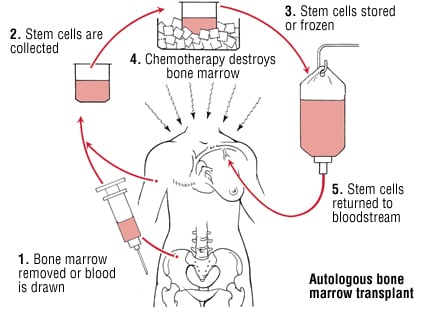
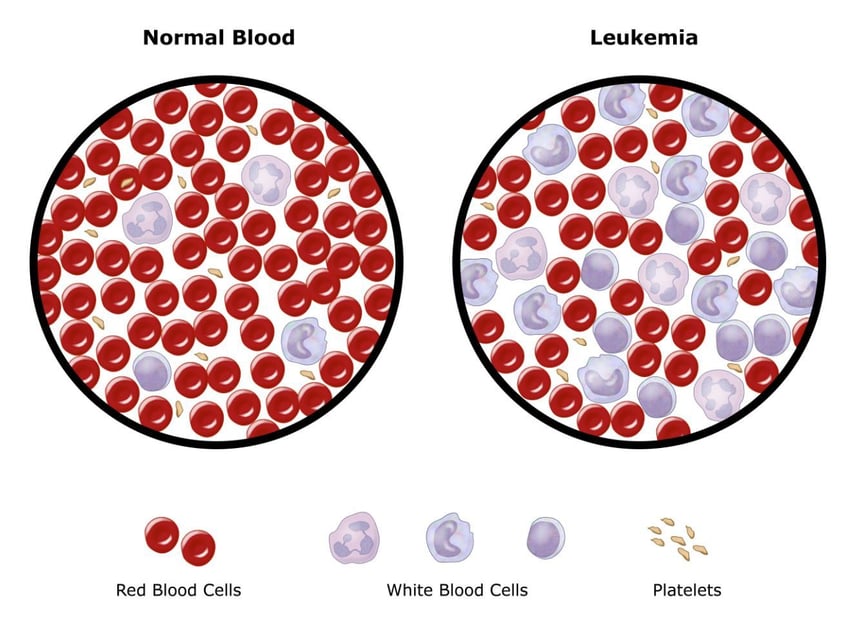
In a bone marrow transplant, the doctor replaces damaged marrow with healthy stem cells. Bone marrow produces blood cells that serve multiple functions, like carrying oxygen, fighting infection, and preventing bleeding. When a disease disrupts this function, a transplant may restore normal blood formation.


Doctors recommend a transplant for conditions such as leukemia, lymphoma, multiple myeloma, and certain genetic blood disorders. In some cases, chemotherapy alone cannot eliminate the disease. Transplant allows doctors to use higher treatment intensity, then rebuild the blood system with healthy cells.


There are two main types of transplant. Autologous BMT uses the patient’s own stem cells. An allogeneic BMT uses stem cells from a donor. Donor compatibility plays a critical role in treatment safety.


Doctors suggest a transplant only after a detailed evaluation. Disease stage, patient health, and donor match influence the decision. Careful selection improves safety and outcome expectations.


What Does Safety Mean In Bone Marrow Transplant?

Safety in bone marrow transplant does not mean absence of risk. It means doctors understand the risks and manage them carefully. Every transplant team follows strict medical protocols to protect the patient at each stage.


Doctors focus on infection control first. After a transplant, the immune system becomes weak for a period of time. During this phase, even minor infections can become serious. Transplant units use controlled environments, filtered air systems, and restricted visitor policies to reduce exposure.


Safety also involves organ monitoring. High-dose chemotherapy before transplant can affect the liver, lungs, or heart. Doctors perform regular blood tests and scans to detect early changes. Early detection allows timely intervention.


Another important safety element involves managing graft-versus-host disease in donor transplants. Doctors use preventive medications and close monitoring to reduce this risk. Continuous observation helps manage complications quickly.


Which Factors Influence Bone Marrow Transplant Safety?

Several factors influence the safety of a bone marrow transplant. Doctors evaluate these factors before recommending the procedure.


  • Patient Age and Overall Health: Younger and physically stable patients often tolerate transplant better. Good heart, lung, and kidney function improves recovery. Doctors assess fitness carefully before approval.
  • Disease Stage and Type: Transplant safety improves when doctors perform the procedure at the right stage. Advanced or aggressive disease can increase the risk of complications. Timing matters.
  • Donor Match Quality: In an allogeneic transplant, donor compatibility plays a major role. A close human leukocyte antigen (HLA) match reduces the risk of rejection and graft-related complications. Better matching improves safety.
  • Infection Status Before Transplant: Doctors screen for existing infections before treatment begins. Active infection can increase risk during immune suppression. Proper screening improves outcomes.
  • Hospital Experience and Transplant Volume: Experienced transplant teams recognize complications early. Regular exposure to transplant care strengthens response protocols. Multidisciplinary support improves patient monitoring.


How Do Doctors Reduce Infection Risk During Transplant?

Infection control remains one of the most important parts of bone marrow transplant care. After a transplant, the immune system becomes weak for a period of time. During this phase, doctors take extra precautions.


  • Transplant units use specially designed isolation rooms. These rooms often include filtered air systems that reduce airborne germs. Strict cleaning protocols keep surfaces and equipment sterile.
  • Doctors limit visitor access during the most vulnerable phase. Care teams follow hand hygiene and protective clothing guidelines. These measures reduce the chance of infection entering the room.
  • Preventive medications also play a role. Doctors prescribe antibiotics, antiviral drugs, and antifungal medications to reduce the risk of infection. These medicines protect patients while the immune system recovers.
  • Regular blood tests help detect early signs of infection. If doctors identify changes quickly, they begin treatment without delay. Early response prevents complications from becoming severe.


What Are The Potential Risks And Complications Of Bone Marrow Transplant?

Bone marrow transplant carries risks, and doctors discuss them openly before treatment begins. Understanding these risks helps patients make informed decisions.


  • Graft-Versus-Host Disease: In donor transplants, the new immune cells may react against the patient’s body. Doctors call this graft-versus-host disease. Preventive medicines and close monitoring help manage this risk.
  • Infection During Immune Recovery: The immune system takes time to rebuild. During this period, patients remain vulnerable to infections. Doctors monitor carefully until blood counts improve.
  • Organ-Related Effects: High-dose chemotherapy can affect organs such as the liver or lungs. Doctors perform regular tests to track organ function. Early detection allows timely treatment.
  • Delayed Blood Count Recovery: Some patients take longer to regain normal blood counts. Slow recovery can extend hospital stay. Doctors provide supportive care during this phase.
  • Relapse of Underlying Disease: In some cases, the disease may return after transplant. Doctors monitor closely through follow-up tests. Early detection supports prompt intervention.


How Do Doctors Monitor Patients After Transplant?

Monitoring does not stop after the transplant procedure. In many ways, close follow-up becomes even more important during recovery.


  • Doctors check blood counts regularly. These tests show how well the new marrow produces healthy cells. Rising counts signal recovery of the immune system.
  • Doctors also monitor signs of graft-versus-host disease in donor transplants. Skin changes, digestive symptoms, or abnormal liver test results may signal an early reaction. Quick response helps control complications.
  • Organ function remains under observation. Doctors track liver, kidney, and lung function through routine tests. Early detection allows adjustment of medications.
  • Patients receive clear guidance about symptoms to report. Fever, unusual fatigue, or bleeding require immediate attention. Prompt communication improves safety.
  • Follow-up continues even after patients return home. Doctors review reports and adjust medication when necessary. Ongoing monitoring supports long-term stability.


Does Donor Matching Affect Transplant Safety?

Donor matching plays a major role in transplant safety. Doctors compare human leukocyte antigens (HLA markers) between the donor and the patient. Closer matches reduce immune complications.


A sibling donor often provides the closest match. When a sibling match is not available, doctors search for matched unrelated donors. Modern registries increase the chance of finding compatible donors.


Better matching lowers the risk of graft-versus-host disease. It also increases the likelihood of stable engraftment, meaning the new marrow begins working properly. Successful engraftment supports steady immune recovery.


Doctors also consider a haploidentical transplant in selected cases. This option uses a partially matched donor, often a family member. Careful protocol and medication reduce associated risks.


How Does Hospital Infrastructure Influence Transplant Outcomes In India?

Hospital infrastructure plays a major role in transplant safety. Bone marrow transplant requires more than an operating room. It needs a controlled medical environment and coordinated support systems.


  • Dedicated transplant units provide protective isolation rooms. These rooms reduce exposure to infection during immune suppression. Air filtration systems and strict hygiene protocols support patient safety.
  • Advanced laboratory support also matters. Doctors rely on real-time blood testing to monitor recovery. Molecular labs help track donor cell engraftment and detect early complications.
  • Critical care backup strengthens safety. Intensive care units remain available if complications arise. Rapid response improves outcomes during emergencies.
  • Multidisciplinary teams support every transplant. Hematologists, infectious disease specialists, critical care doctors, and trained nursing staff work together. This coordination improves monitoring and decision-making.

Bone marrow transplant hospitals in India operate high-volume programs. Experience strengthens complication management and recovery planning.


How Do International Patients Prepare For Bone Marrow Transplant In India?

Preparation begins before travel. Doctors review medical records and confirm transplant suitability. This step ensures that the transplant remains the correct treatment option.


  • Patients undergo pre-transplant testing. These tests assess organ function and infection status. Clear evaluation improves safety during conditioning therapy.
  • Doctors explain the expected stay duration. Bone marrow transplant requires several weeks of monitored care. Recovery timelines vary based on transplant type and response.
  • Caregiver planning also remains important. Many patients require a family member or companion during recovery. Emotional and physical support improves the overall experience.
  • After discharge, doctors clearly outline follow-up plans. Patients receive instructions on medication, hygiene, and symptom monitoring. Structured preparation supports smoother recovery during and after treatment in India.


Conclusion

Bone marrow transplant carries risks, but high-quality medical care and careful patient selection significantly reduce those risks. Dedicated transplant units, strict infection control, close monitoring, and proper donor matching strengthen outcomes. International patients seeking clarity on suitability, preparation, and recovery can begin with a detailed medical review to understand risks and expectations before planning treatment.

Related Hospitals

Discover hospitals and medical centers related to this topic for quality healthcare services.

MGM Healthcare, Chennai
PLATINUM
View Details

MGM Healthcare, Chennai

Chennai, India

MGM Healthcare, Chennai, is a 400-bed quaternary-care super-specialty hospital accredited by JCI, NABH, and NABL. The hospital features 100 ICU beds, ...

Multi-specialty
Established 2019
400 beds
Accreditations
National Accreditation Board for Hospitals & Healthcare Providers (NABH)
Joint Commission International (JCI)
Facilities
+13
Paras Hospital, Gurgaon
PLATINUM
View Details

Paras Hospital, Gurgaon

Gurgaon, India

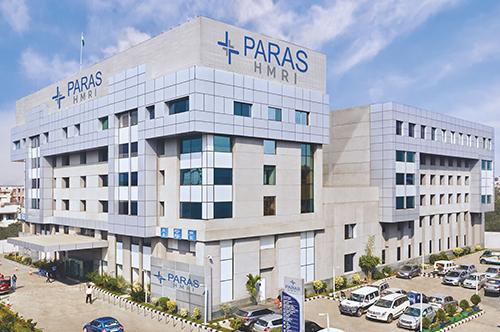
Paras Hospital, Gurgaon, established in 2006, is a 300-bed NABH- and NABL-accredited tertiary care hospital offering over 36 super specialties. The ho...

Multi-specialty
Established 2006
300 beds
Accreditations
National Accreditation Board for Hospitals & Healthcare Providers (NABH)
Facilities
+13
Medanta - The Medicity Hospital, Gurgaon
PLATINUM
View Details

Medanta - The Medicity Hospital, Gurgaon

Gurgaon, India

Medanta – The Medicity in Gurgaon is one of India's largest and most advanced multi-speciality hospitals, founded in 2009 by world-renowned cardiac su...

Multi-specialty
Established 2009
1391 beds
Accreditations
Joint Commission International (JCI)
National Accreditation Board for Hospitals & Healthcare Providers (NABH)
Facilities
+13
BLK-Max Super Speciality Hospital, New Delhi
PLATINUM
View Details

BLK-Max Super Speciality Hospital, New Delhi

New Delhi, India

BLK-Max Super Speciality Hospital in New Delhi is one of India's premier healthcare institutions, offering 650 beds, 22 advanced operation theatres, a...

Multi-specialty
Established 1959
650 beds
Accreditations
Joint Commission International (JCI)
National Accreditation Board for Hospitals & Healthcare Providers (NABH)
Facilities
+13
Max Super Speciality Hospital, Saket, Delhi
PLATINUM
View Details

Max Super Speciality Hospital, Saket, Delhi

New Delhi, India

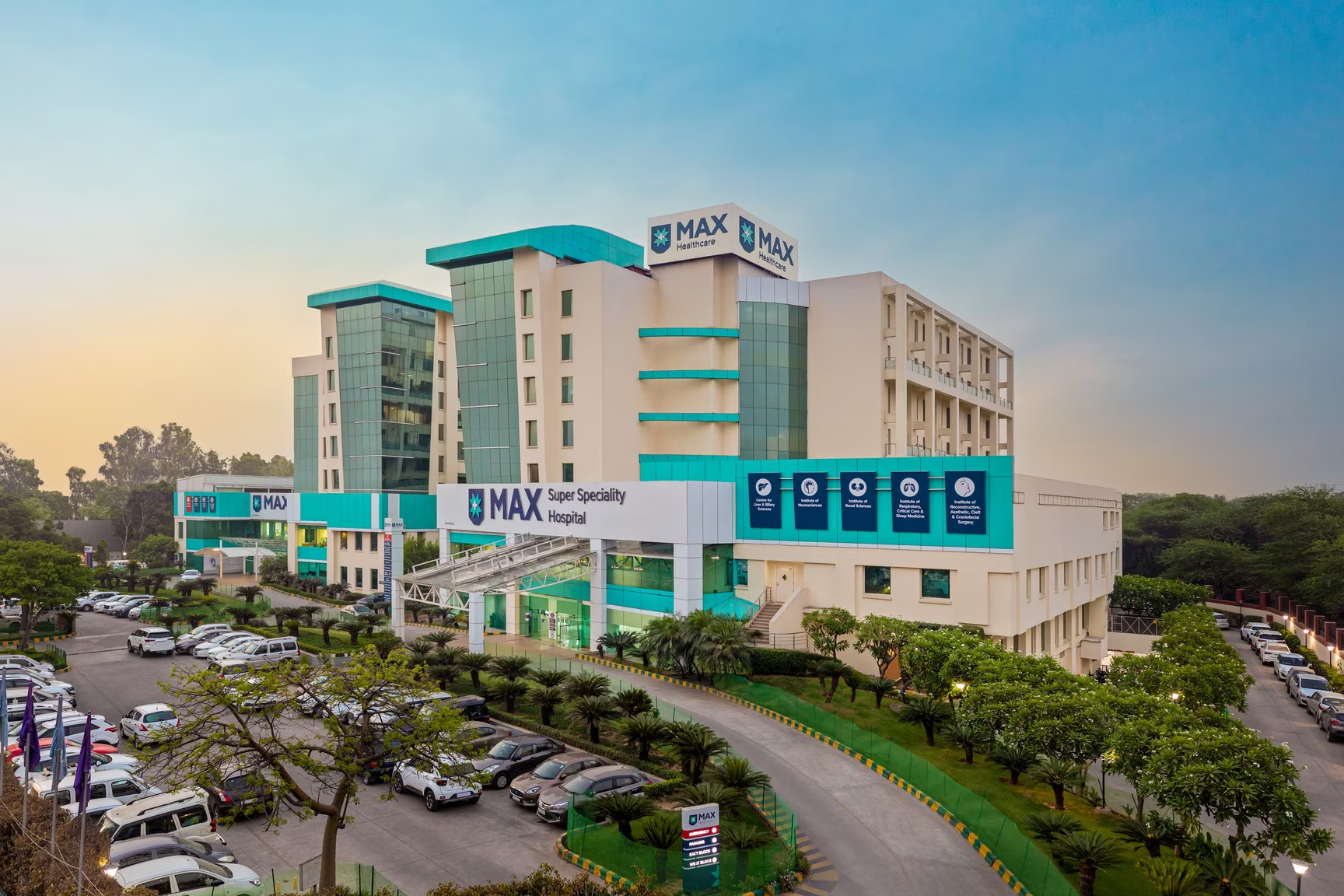
Max Super Speciality Hospital, Saket, New Delhi, is a leading JCI- and NABH-accredited hospital offering advanced medical care across 38+ specialities...

Multi-specialty
Established 2006
539 beds
Accreditations
Joint Commission International (JCI)
National Accreditation Board for Hospitals & Healthcare Providers (NABH)
International Organization for Standardization (ISO)
Facilities
+13
Fortis Memorial Research Institute (FMRI), Gurgaon
PLATINUM
View Details

Fortis Memorial Research Institute (FMRI), Gurgaon

Gurgaon, India

Fortis Memorial Research Institute (FMRI), Gurgaon, is a world-class multi-specialty hospital established in 2013. The hospital offers 330 beds, 15 op...

Multi-specialty
Established 2013
330 beds
Accreditations
Joint Commission International (JCI)
National Accreditation Board for Hospitals & Healthcare Providers (NABH)
Facilities
+13

Related Doctors

Connect with experienced doctors and medical specialists in this field.
Dr. Shishir Shetty

Dr. Shishir Shetty

Head of Department (HOD)

14 years of experience
View Details
Dr. Mukul Rastogi

Dr. Mukul Rastogi

Director

23 years of experience
View Details
Dr. Amit Rastogi

Dr. Amit Rastogi

Chairman

25 years of experience
View Details
Dr. Sushant Srivastava

Dr. Sushant Srivastava

Senior Consultant
30 years of experience
View Details
Dr. Satyendra Katewa

Dr. Satyendra Katewa

Head of Department (HOD)
20 years of experience
View Details
Prof. (Dr.) Subhash Gupta

Prof. (Dr.) Subhash Gupta

Chairman

30 years of experience
View Details

Related Articles

Explore more articles and insights on similar health topics.
Back Pain or Something More? When Does a Spine Tumor Require Surgery?
Medical Tourism

Back Pain or Something More? When Does a Spine Tumor Require Surgery?

1/3/2026, 12:51:20 PM
9 min read
When a diagnosis involves the spine, the first question is almost always: 'Will I still be able to walk?' In 2026, spine tumor care has shifted from '...
How Long Can You Live After an Organ Transplant?
Medical Tourism

How Long Can You Live After an Organ Transplant?

1/3/2026, 12:19:15 PM
7 min read
When you are told you need a transplant, the first question that hits you is often the hardest to ask: How much time will this buy me?   Internet se...
Who Can Get an Organ Transplant in India? Eligibility Rules Explained
Medical Tourism

Who Can Get an Organ Transplant in India? Eligibility Rules Explained

1/3/2026, 12:00:36 PM
7 min read
Organ failure remains a growing global health challenge. Chronic kidney disease affects millions worldwide, and thousands of patients develop end-stag...
Is Organ Transplant Safe for International Patients in India? Laws, Risks, and Success Rates Explained
Medical Tourism

Is Organ Transplant Safe for International Patients in India? Laws, Risks, and Success Rates Explained

28/2/2026, 2:19:46 PM
8 min read
For an international patient, the decision to travel for an organ transplant is often a choice made out of necessity. Long waiting lists at home or th...
Bone Marrow Transplant vs CAR-T Cell Therapy: Which Is Better for Blood Cancer?
Medical Tourism

Bone Marrow Transplant vs CAR-T Cell Therapy: Which Is Better for Blood Cancer?

28/2/2026, 1:48:01 PM
9 min read
If you are fighting a blood cancer like leukemia or lymphoma, you have likely reached a crossroad. On one side is the Bone Marrow Transplant (BMT), a ...
Can You Survive Leukemia Without a Bone Marrow Transplant?

Medical Tourism

Can You Survive Leukemia Without a Bone Marrow Transplant?

28/2/2026, 1:27:24 PM
7 min read
Leukemia treatment often brings one major question. Is a bone marrow transplant always necessary for a cure? Many patients fear transplant because it ...
Dr. Deepanshu Siwach

Sr. Medical Writer

Sr. Medical Content Writer Qonaq Health and Wellness
Doctor of Pharmacy

Dr. Deepanshu Siwach is an experienced clinical pharmacist with a Doctor of Pharmacy degree. He has over 4 years of experience and has worked with thousands of patients. He has been associated with ... Read More

Our website uses cookies. By clicking on accept you give your consent to the use of cookies as per our Privacy Policy.