
India as a Medical Hub for Patients from Yemen
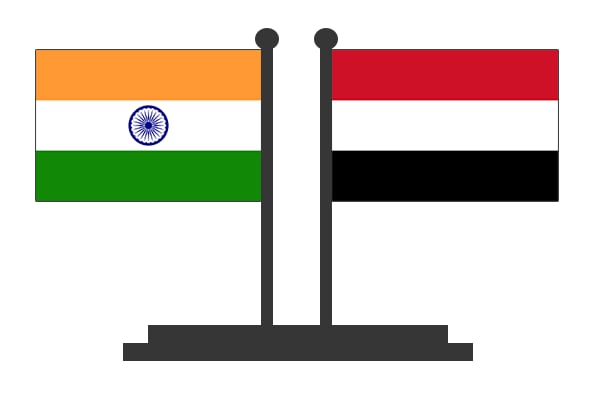
Patients from Yemen increasingly look abroad for medical treatment. Serious illness requires timely care, stable facilities, and specialist support. Many families cannot access this level of care locally. As a result, medical travel has become a necessity rather than a choice.
Years of conflict have affected the healthcare infrastructure across Yemen. Many hospitals face shortages of equipment, medicines, and trained specialists. Advanced treatments for cancer, heart disease, organ failure, and joint problems remain difficult to access. Patients often need referrals outside the country for safe, complete care.
Delays create a serious risk. Conditions such as cancer, kidney failure, and heart disease worsen without timely treatment. Families search for destinations that offer quick diagnosis, clear treatment plans, and reliable outcomes. Cost also plays a significant role, as treatment remains unaffordable in many countries.
India has emerged as a practical option for Yemeni patients. The country offers advanced medical care, experienced specialists, and organized treatment systems. Hospitals manage complex cases every day. Treatment begins quickly once patients arrive.
For families in Yemen, traveling to India represents hope during a medical crisis. The decision reflects the need for safety, speed, affordability, and trust in care.
What Healthcare Challenges Do Patients in Yemen Face?
Patients in Yemen face serious healthcare challenges that affect timely and safe treatment. These challenges push many families to seek care abroad.
- Impact of prolonged conflict on healthcare: Years of instability have damaged hospitals and clinics. Many facilities struggle to function at full capacity. Power outages, supply gaps, and safety concerns disrupt regular care.
- Limited access to specialist doctors: Specialties such as oncology, cardiology, neurosurgery, transplant medicine, and advanced orthopedics remain scarce. Patients with complex conditions often cannot find the required expertise locally.
- Shortage of medicines and medical equipment: Hospitals frequently face shortages of essential drugs, consumables, and modern machines. Advanced imaging, radiation therapy, and transplant support systems remain limited or unavailable.
- Delays in diagnosis and treatment: Patients often wait long periods for tests or procedures. These delays increase risk for conditions like cancer, heart disease, and kidney failure, where early treatment improves outcomes.
- Unequal access across regions: Healthcare access varies widely between cities and rural areas. Many Yemeni patients must travel long distances to reach basic services. Repeated visits become difficult during long-term treatment.
- Financial pressure on families: Private care options remain costly, and insurance coverage stays limited. Many families cannot sustain prolonged treatment or repeated hospital visits.
These challenges make overseas treatment a necessary step for many Yemeni patients. Families look for destinations that offer stability, specialist care, and predictable costs. India meets these needs through organized systems and accessible advanced treatment.
What Cultural, Religious, and Practical Factors Connect Yemen with India?
Cultural comfort and daily practicality shape medical travel decisions. Patients from Yemen often prefer destinations that respect faith, family values, and clear communication. India aligns well with these needs.
- Arabic and English communication support: Many hospitals arrange Arabic interpreters when needed. Doctors and coordinators also communicate clearly in English. Clear language reduces confusion and builds trust during diagnosis and treatment planning.
- Respect for religious practices: Hospitals understand the importance of prayer, modesty, and religious routines. Facilities often provide prayer spaces and flexible schedules that respect faith-based needs. This respect helps patients feel at ease during long stays.
- Availability of halal food options: Indian cities offer halal food through hospital kitchens and nearby restaurants. Patients can follow dietary requirements during treatment and recovery. Familiar food supports comfort and healing.
- Strong family-centered care approach: Families play a central role in Yemeni culture. Hospitals in India encourage family presence during consultations and recovery. Attendants receive guidance on daily care and hospital processes.
- Practical living arrangements near hospitals: Accommodation options near hospitals remain widely available. Short travel distances reduce fatigue and support timely follow-up visits. Daily routines remain manageable during treatment.
- Established trust through past patient experiences: Many Yemeni families rely on recommendations from relatives and community members who received treatment in India. Positive outcomes strengthen confidence and guide future decisions.
These cultural, religious, and practical connections help Yemeni patients feel understood and supported. Comfort and trust remain essential during serious medical treatment, and India provides both alongside advanced care.
Why Do Patients from Yemen Prefer India for Medical Care?
Patients from Yemen prefer India because medical decisions require certainty, speed, and affordability. Serious illness leaves little room for delay. India offers practical advantages that match these urgent needs.
- Affordable medical treatment for complex conditions: Treatment costs in India remain much lower than in Gulf countries, Turkey, Europe, or the United States. Families can plan care without overwhelming financial pressure. Affordable pricing allows patients to begin treatment earlier.
- Faster access to diagnosis and treatment: Hospitals in India schedule tests and procedures quickly. Patients often start therapy within days of arrival. Fast care matters greatly for cancer, heart disease, organ failure, and advanced joint problems.
- Experienced doctors with extensive case exposure: Specialists in India handle large numbers of complex cases each year. This experience improves clinical judgment and surgical precision. Patients gain confidence when doctors handle similar conditions daily.
- Advanced medical technology and infrastructure: Hospitals use modern imaging, precision surgery tools, advanced cancer therapy systems, and transplant support units. Technology helps doctors plan accurate and safe treatment.
- Comprehensive care under one system: Patients receive diagnosis, surgery, medication, rehabilitation, and follow-up in one organized setting. This structure reduces confusion and unnecessary travel between facilities.
- Clear communication and patient guidance: Doctors explain conditions and treatment plans in simple language. Patients and families understand options and risks without pressure or confusion.
These reasons explain why many patients from Yemen consistently choose India. The decision reflects reliability, safety, and practicality during critical health situations.
What Treatments Do Patients from Yemen Commonly Seek in India?
Patients from Yemen travel to India for treatments that need advanced expertise, modern equipment, and coordinated care. These conditions often require urgent attention and long-term planning.
- Cancer treatment and bone marrow transplant: Patients seek chemotherapy, radiation therapy, targeted therapy, and immunotherapy. Some travel for a bone marrow transplant in blood cancers. Indian centers provide diagnosis, treatment planning, therapy, and follow-up within a single system.
- Heart surgery and advanced cardiac care: Many patients come for coronary artery bypass grafting, valve repair or replacement, angioplasty, and pediatric heart procedures. Cardiac teams perform high volumes of surgeries, which improves precision and recovery.
- Kidney disease treatment and transplant: Patients travel for dialysis programs and kidney transplants. Nephrology teams manage evaluation, surgery, and post-transplant care with close monitoring and clear guidance.
- Orthopedic and joint replacement surgery: Total knee replacement and total hip replacement remain common reasons for travel. Modern surgical techniques support pain control, faster recovery, and improved mobility.
- Neurology and neurosurgery: Care for brain tumors, stroke, epilepsy, and spinal disorders attracts patients. Advanced imaging and precise surgical tools support safe treatment and better outcomes.
- Fertility treatment and women's health: Couples seek IVF, ICSI, fertility preservation, and gynecological care. Organized care plans and affordability help couples continue therapy with confidence.
These treatment options explain why India remains a preferred destination for patients from Yemen. Access to multiple specialties under one system simplifies care and improves recovery chances.
What Is the Cost of Treatment in India for Patients from Yemen?
Treatment cost strongly influences medical decisions for families from Yemen. Serious illness already brings emotional stress. High medical bills add financial pressure. India offers advanced care at costs that remain manageable for most families.
- Transparent and predictable pricing: Hospitals in India usually provide package-based estimates. These packages often include doctor fees, surgery, hospital stay, medicines, and routine follow-up. Transparent pricing helps families plan without fear of hidden charges.
- No compromise on care quality: Lower cost does not mean reduced safety. Hospitals follow international protocols. Doctors use modern technology and evidence-based treatment plans. Patients receive the same level of clinical attention offered at higher-priced destinations.
- Lower cost due to system efficiency: India benefits from high treatment volumes, a skilled workforce, and well-organized hospital systems. These factors reduce operational costs while maintaining safety and quality standards.
Approximate Treatment Costs in India
- Total Knee Replacement (TKR): USD 4,000 – 5,500
- Total Hip Replacement (THR): USD 4,500 – 6,000
Cardiac procedures
- Heart Valve Replacement: USD 6,000 – 9,000
- Bypass Surgery (CABG): USD 3,500 – 6,000
- Kidney Transplant: USD 13,000 – 15,000
- Liver Transplant: USD 35,000 – 45,000
- Complete cancer treatment (chemotherapy, radiation, targeted therapy): USD 8,000 – 12,000 depending on cancer type and stage
How Does Treatment Cost in India Compare with Other Countries for Patients from Yemen?
Patients from Yemen often compare treatment costs across multiple countries before making a decision. Common options include Gulf countries, Turkey, Europe, and the United States. Cost differences between these destinations remain significant.
- Higher treatment costs in Gulf countries: Countries such as Saudi Arabia, the UAE, and Qatar offer advanced healthcare. However, private treatment costs remain very high for international patients. Extended hospital stays and specialist fees increase total expenses. Many families find these costs difficult to manage.
- Treatment expenses in Turkey and Europe: Turkey offers some cost advantages compared to Europe, but prices for complex surgeries remain high. Europe and the United States carry the highest medical costs. Insurance coverage rarely applies to Yemeni patients. Travel and living expenses add further burden.
- India's cost advantage for major procedures: India provides advanced treatment at a much lower cost. Hospitals control expenses through efficient systems and high case volumes. Patients receive the same core medical care at a fraction of the price.
Cost Comparison for Major Treatments (Approximate)
Treatment Type | Gulf Countries / Turkey (USD) | Europe / USA (USD) | India (USD) |
| Total Knee Replacement | 18,000 – 30,000 | 30,000 – 45,000 | 4,000 – 5,500 |
| Total Hip Replacement | 20,000 – 35,000 | 35,000 – 50,000 | 4,500 – 6,000 |
| Heart Valve Replacement | 25,000 – 45,000 | 60,000 – 90,000 | 6,000 – 9,000 |
| Kidney Transplant | 80,000 – 120,000 | 150,000 – 200,000 | 13,000 – 15,000 |
| Liver Transplant | 120,000 – 180,000 | 200,000+ | 35,000 – 45,000 |
| Cancer Treatment (full cycle) | 30,000 – 60,000 | 50,000 – 100,000 | 8,000 – 12,000 |
For patients from Yemen, India offers a rare combination of affordability and advanced medical treatment. This comparison explains why many families choose India over other destinations.
What Patient Support Services Are Available for Patients from Yemen in India?
Patient support makes medical travel safer and less stressful. Patients from Yemen often travel long distances and stay for several weeks. Hospitals in India offer structured services that focus on comfort, clarity, and coordination.
- Arabic language assistance and clear communication: Many hospitals arrange Arabic interpreters when required. Care teams also communicate clearly in English. Doctors explain diagnosis and treatment steps in simple terms. Clear language reduces confusion and builds trust.
- Respect for religious needs and daily routines: Hospitals respect prayer times, modesty, and faith-based practices. Many facilities provide prayer spaces. Flexible schedules help patients maintain religious routines during treatment.
- Availability of halal food options: Patients can access halal meals through hospital kitchens or nearby restaurants. Dietary preferences receive attention during recovery. Familiar food supports comfort and healing.
- Dedicated international patient coordination: Special teams manage appointments, investigations, and treatment schedules. Coordinators help with paperwork and daily planning. This support prevents delays and reduces anxiety.
- Accommodation support near hospitals: Hospitals help patients find nearby guest houses or hotels. Staying close reduces travel fatigue and helps patients attend follow-up visits easily.
- Family-friendly care environment: Patients from Yemen often travel with relatives. Hospitals support family presence during consultations and recovery. Attendants receive guidance on daily care and hospital processes.
- Post-treatment guidance and follow-up planning: Care teams provide discharge summaries, medication plans, and follow-up instructions. This guidance helps patients continue care safely after returning home.
These support services allow patients from Yemen to focus on recovery rather than logistics. Organized care and cultural sensitivity create a more comfortable treatment journey.
How Easy Is Travel from Yemen to India for Medical Treatment?
Travel planning is essential for medical treatment abroad. Patients from Yemen often worry about distance, safety, and coordination. India offers a travel process that remains practical and well-organized for medical travelers.
- Flight routes from Yemen to India: Patients usually travel via regional hubs such as Oman, Qatar, the UAE, or Saudi Arabia. These routes connect smoothly to major Indian cities. Total travel time generally ranges between 8 and 14 hours, depending on the transit point.
- Well-connected international airports in India: Major Indian cities operate busy international airports with modern facilities. These airports handle medical travelers from many countries every day. Immigration procedures follow precise and predictable steps.
- Arrival coordination and airport assistance: Many hospitals arrange airport pickup and direct transfer to accommodation or the hospital. This service helps patients rest immediately after long flights and avoids travel confusion.
- Pre-travel guidance and planning support: Patients often receive help with flight timing, transit planning, and arrival schedules. Precise planning reduces delays and makes the journey smoother.
- Family travel and attendant support: Patients from Yemen usually travel with family members. India supports medical attendant travel, which allows relatives to stay close during treatment and recovery.
Despite ongoing challenges at home, travel from Yemen to India remains manageable and structured. Reliable routes and on-ground assistance help patients focus on treatment rather than logistics.
What Is the Success Rate of Medical Treatment in India for Patients from Yemen?
Success rates help families judge safety and reliability before choosing treatment abroad. India reports strong outcomes across major procedures because of experienced teams, modern technology, and structured post-treatment care.
- Total Knee Replacement (TKR) success rate: Most patients regain mobility and pain relief after surgery. Long-term success rates range between 95% and 98% when patients follow rehabilitation plans.
- Total Hip Replacement (THR) success rate: Hip replacement shows durable results and improved quality of life. Reported success rates range between 95% and 98% over long-term follow-up.
- Heart valve replacement and bypass surgery success rate: Cardiac procedures show consistent outcomes in experienced centers. Success rates usually range from 94% to 97%, depending on the patient's condition and procedure type.
- Kidney transplant success rate: One-year graft survival rates generally range between 90% and 95%. Long-term success improves with regular follow-up and medication adherence.
- Liver transplant success rate: Short-term success rates range from 85% to 90%. Outcomes continue to improve with early referral and structured post-transplant care.
- Cancer treatment success and control rates: Outcomes vary by cancer type and stage. Early-stage cancers show high control and remission rates. Multimodal treatment improves survival and quality of life for advanced cases.
For patients from Yemen, these success rates provide reassurance. Strong outcomes, affordability, and support services make India a dependable choice for complex medical treatment.
How Can Patients from Yemen Get an Indian Medical Visa for Treatment?
The medical visa process supports timely access to treatment. Patients from Yemen often worry about paperwork and approval timelines. India offers a clear and structured pathway for medical travel.
- Indian Medical Visa (MED Visa): Patients traveling for treatment apply for an Indian Medical Visa. This visa allows entry for medical care and recovery. It also supports multiple entries when follow-up visits are required.
- Medical visa validity and duration: Medical visas are usually valid for up to 1 year. Patients can re-enter India during this period if treatment plans require additional visits.
- Medical attendant visa for family members: India issues medical attendant visas for accompanying relatives. This option allows family members to stay with the patient during treatment and recovery.
- Medical visa processing timeline: Processing typically takes a few working days after document submission. Hospitals often provide medical invitation letters promptly, which helps expedite approval in urgent cases.
Documents required for an Indian medical visa
- Valid passport with sufficient remaining validity
- Recent passport-size photographs
- Medical reports from a local doctor or hospital
- Treatment or invitation letter from an Indian hospital
- Proof of funds for treatment and stay
- Completed visa application form
Final Words
Patients from Yemen choose India for advanced medical care at an affordable cost. Treatment starts quickly, success rates remain high, and patient support stays strong. Cultural understanding and clear communication add comfort during care. This balance makes India a trusted destination for serious medical treatment.
Related Hospitals
Discover hospitals and medical centers related to this topic for quality healthcare services.

Medical Park Bahcelievler Hospital
Medical Park Bahcelievler Hospital is a 242-bed JCI-accredited hospital in Istanbul, established in 2007. Spread across 33,000 square meters and 19 fl...
Accreditations
Facilities

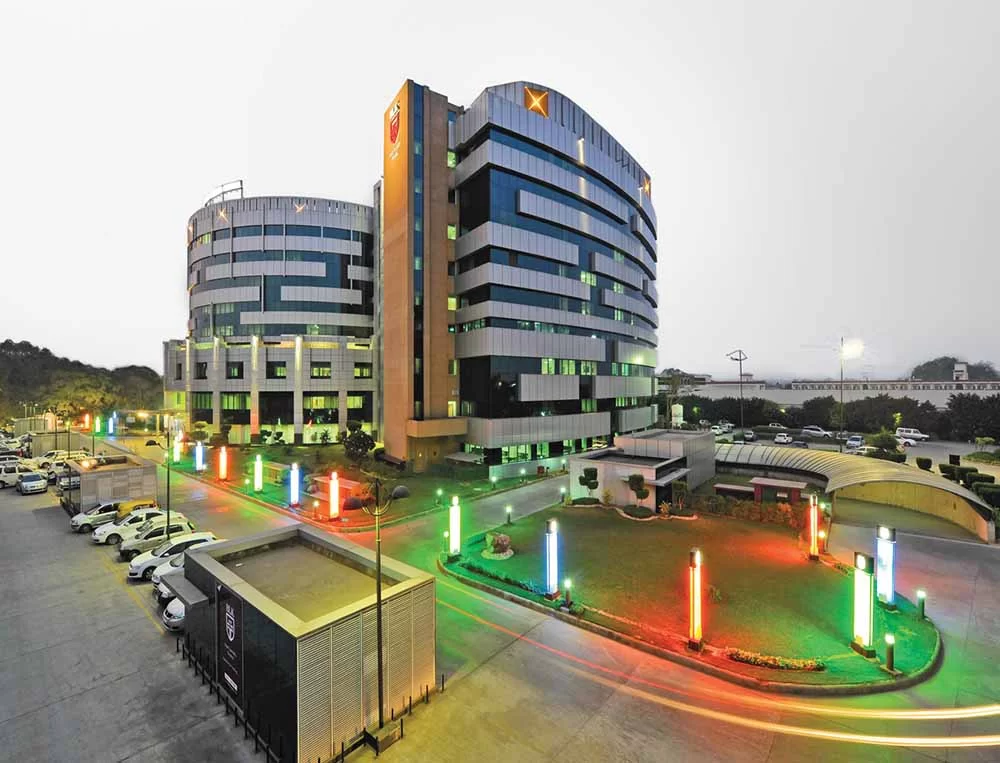
BLK-Max Super Speciality Hospital, New Delhi
BLK-Max Super Speciality Hospital in New Delhi is one of India's premier healthcare institutions, offering 650 beds, 22 advanced operation theatres, a...
Accreditations


Facilities
Fortis Memorial Research Institute (FMRI), Gurgaon
Fortis Memorial Research Institute (FMRI), Gurgaon, is a world-class multi-specialty hospital established in 2013. The hospital offers 330 beds, 15 op...
Accreditations


Facilities

Artemis Hospital, Gurgaon
Artemis Hospital, Gurgaon, is a JCI accredited multispecialty hospital that was established in 2007. It offers 750+ beds and world -class infrastructu...
Accreditations



Facilities
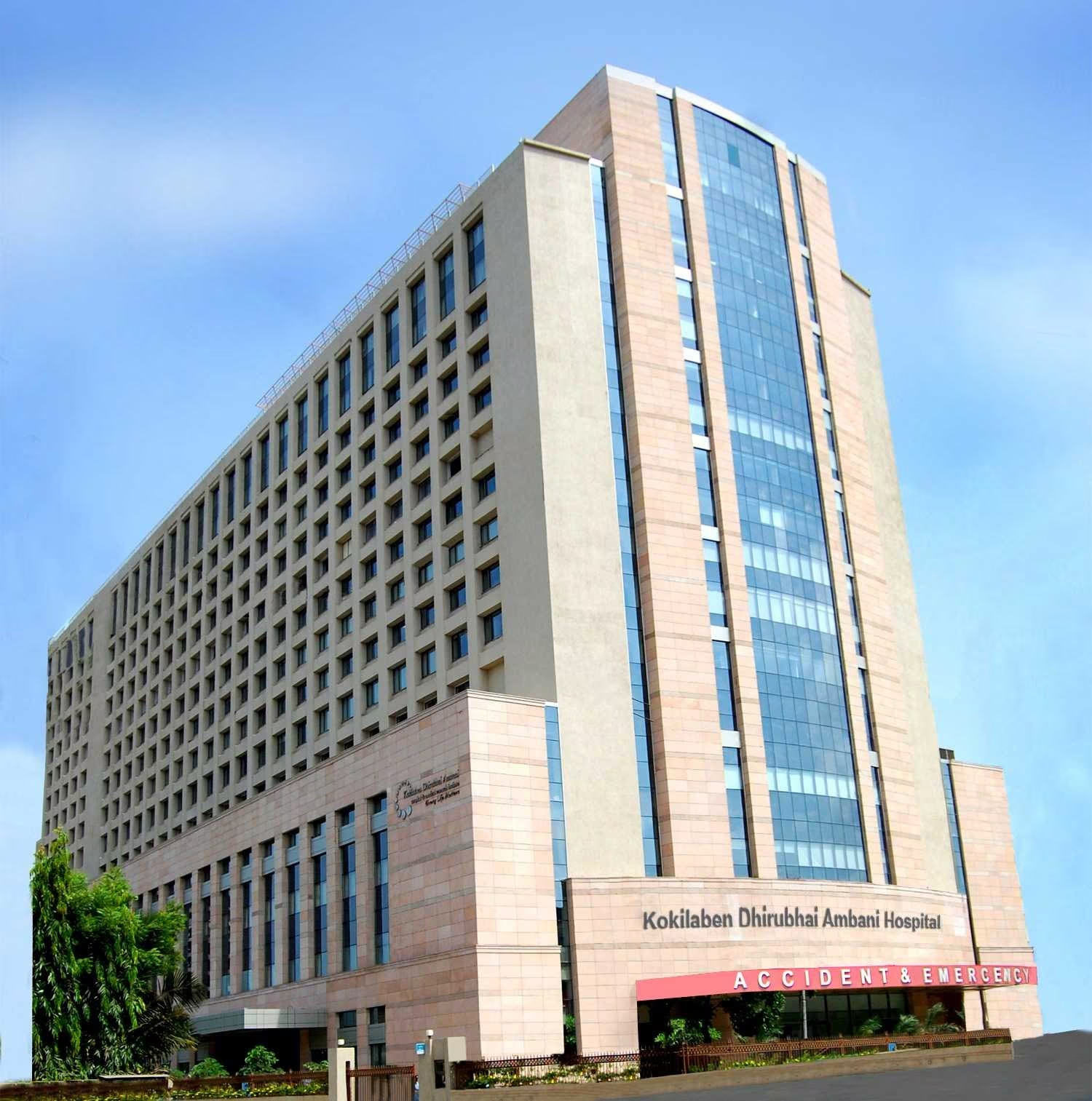
Kokilaben Dhirubhai Ambani Hospital, Mumbai
Kokilaben Dhirubhai Ambani Hospital, Mumbai, is a JCI, NABH, NABL, and CAP-accredited quaternary care hospital established in 2009. With 750 beds, 180...
Accreditations


Facilities

Medicover Hospitals, Hitech City, Hyderabad
Medicover Hospitals, Hitech City, Hyderabad, is a 400-bed NABH-accredited super-specialty hospital established in 2011. It is part of Medicover, a glo...
Accreditations


Facilities
Related Doctors
Connect with experienced doctors and medical specialists in this field.

Dr. Ananda Mandal
Consultant

Dr. Indranil Khan
Consultant

Dr. Pradip Chakrabarti
Head of Department (HOD)

Dr. Rakesh Rajput
Head of Department (HOD)
Dr. Praveen G L
Consultant

Dr. Chandramohan K
Senior Consultant
Related Articles
Explore more articles and insights on similar health topics.
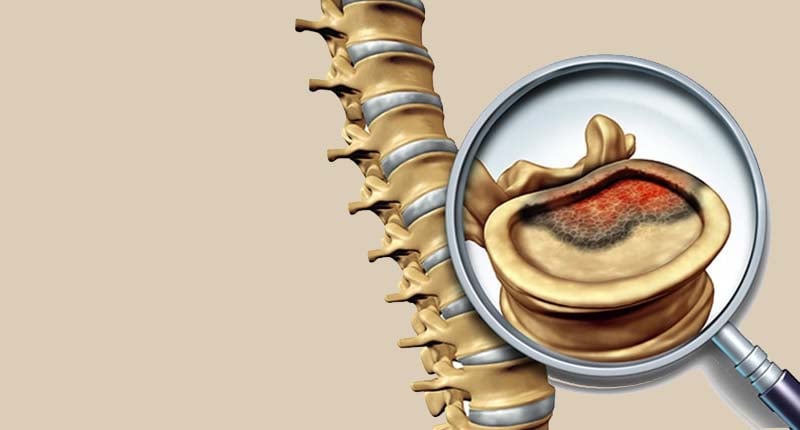
Back Pain or Something More? When Does a Spine Tumor Require Surgery?

How Long Can You Live After an Organ Transplant?

Who Can Get an Organ Transplant in India? Eligibility Rules Explained
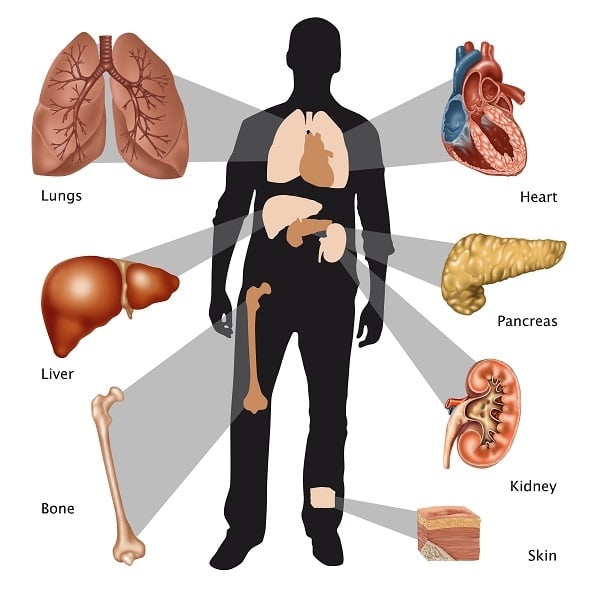
Is Organ Transplant Safe for International Patients in India? Laws, Risks, and Success Rates Explained
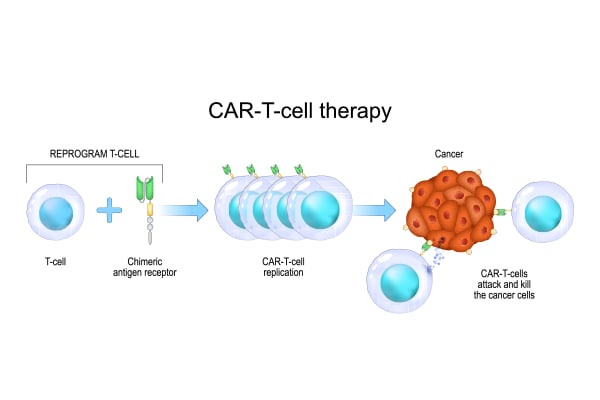
Bone Marrow Transplant vs CAR-T Cell Therapy: Which Is Better for Blood Cancer?
Can You Survive Leukemia Without a Bone Marrow Transplant?

Author
View AllDr. Deepanshu Siwach is an experienced clinical pharmacist with a Doctor of Pharmacy degree. He has over 4 years of experience and has worked with thousands of patients. He has been associated with ... Read More
Our website uses cookies. By clicking on accept you give your consent to the use of cookies as per our Privacy Policy.
